

Schools as Spaces for Dialogue and Constructive Conflict Resolution
The capacity to manage differences through dialogue is an important foundation for social cohesion. Educational institutions have a particular role in developing this capacity, bringing together students, educators, families, and administrative staff whose experiences, perspectives, and expectations may differ. Beyond their academic responsibilities, schools are spaces where mutual respect, communication, and the peaceful management of disagreements can be put into practice.
Conflicts, bullying, violence, and communication difficulties can nevertheless undermine relationships within the educational community and affect the school climate. Responding effectively to these challenges requires more than disciplinary measures. It also calls for preventive approaches that encourage dialogue, enable parties to express their perspectives, and provide appropriate mechanisms for addressing disagreements.
School mediation offers one such approach. By facilitating communication between parties and supporting them in identifying mutually acceptable solutions, mediation can contribute to a more constructive management of conflict. Its value lies not only in addressing individual disputes, but also in strengthening the conditions for dialogue, mutual understanding, and shared responsibility within educational institutions.
In Tunisia, consolidating this approach requires both professional capacity-building and reflection on the institutional arrangements necessary to support it. The development of mediation practices must be accompanied by clear procedures, appropriate training, coordination between relevant actors, and awareness among the educational community.
School Mediation: Principles and Professional Practice
Mediation is a structured process through which an impartial third party facilitates dialogue between individuals in conflict without imposing a solution. It relies on principles including neutrality, confidentiality, active listening, empathy, and respect for the parties involved. The objective is to enable those concerned to clarify the disagreement, understand different perspectives, and explore possible solutions.
The mediation process may involve establishing a climate of trust, listening to each party, identifying the central issues, considering possible responses, and formalizing an agreement where appropriate. Follow-up is also important to assess whether agreed measures have been respected and whether further intervention is necessary.
In the school environment, disagreements may arise between students, between students and teachers, or between members of the educational community and school administration. Addressing these situations requires an understanding of the context, the relationships between the parties, and any differences in authority that may affect the mediation process. It also requires distinguishing situations that may be appropriate for mediation from those requiring other forms of institutional intervention.
For guidance counsellors, these principles translate into practical competencies: active listening, reformulation, open-ended questioning, recognition of emotions, interpretation of non-verbal communication, and de-escalation of tensions. Developing these skills is essential to facilitating dialogue while maintaining the impartiality and professional boundaries required of a mediator.
The Tunisian Legal and Institutional Framework
The development of school mediation must take account of the legal and institutional arrangements already governing school life in Tunisia. The training examined several relevant instruments, including Education Orientation Law No. 80-2002 of 23 July 2002; Article 26 of Decree No. 2437-2004 of 19 October 2004 concerning school life; and Government Decree No. 781-2018 of 21 September 2018, which defines the responsibilities of school and university guidance counsellors.
Particular attention was given to the provision for school conciliation cells and to the responsibilities of guidance counsellors in monitoring behavioural issues, supporting students experiencing difficulties, and addressing their concerns. These provisions offer an institutional point of reference for examining how mediation practices could be developed in relation to existing mechanisms.
However, the effective organization of mediation requires clarity regarding responsibilities and procedures at different levels of the education system. This includes the roles of individual educational institutions, regional education authorities, and the central administration of the Ministry of Education, as well as arrangements for case referral, coordination, documentation, and follow-up.
Other considerations include protecting personal data, maintaining the mediator’s functional independence, and ensuring that cases requiring intervention by competent authorities are directed appropriately. Examining these questions is essential to developing a coherent approach that can operate within the existing institutional framework.
A Capacity-Building Initiative in Partnership with the Konrad-Adenauer-Stiftung
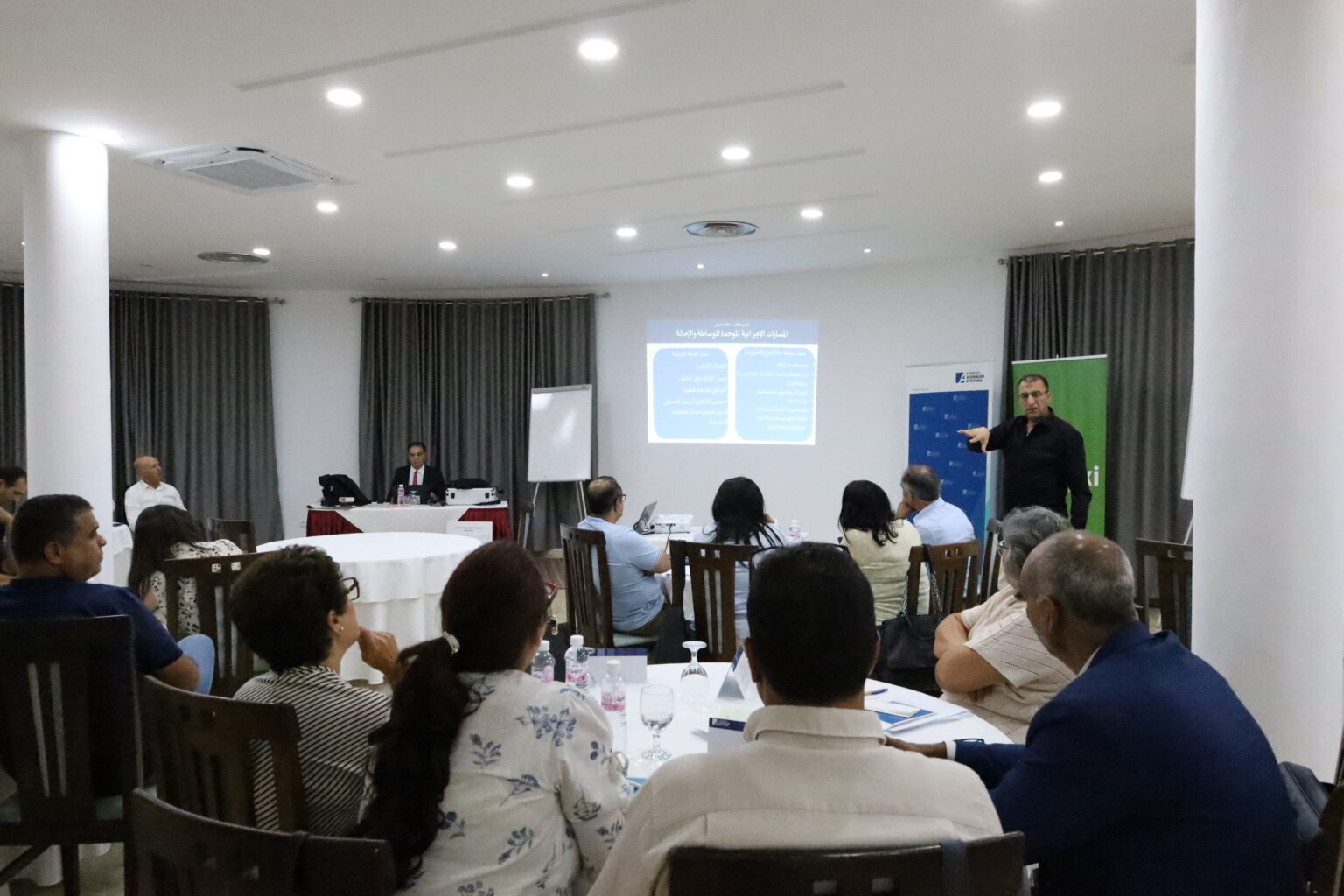
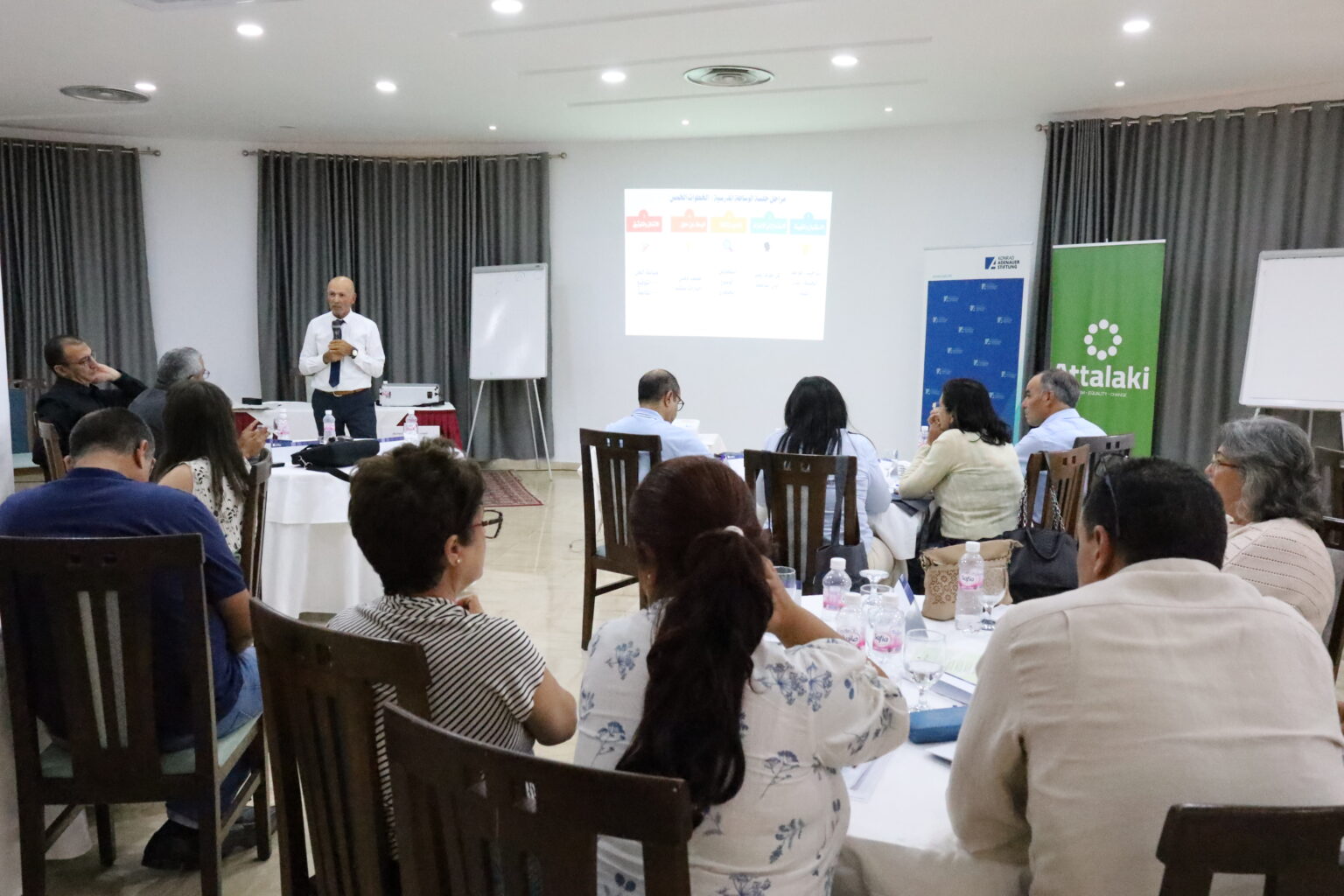
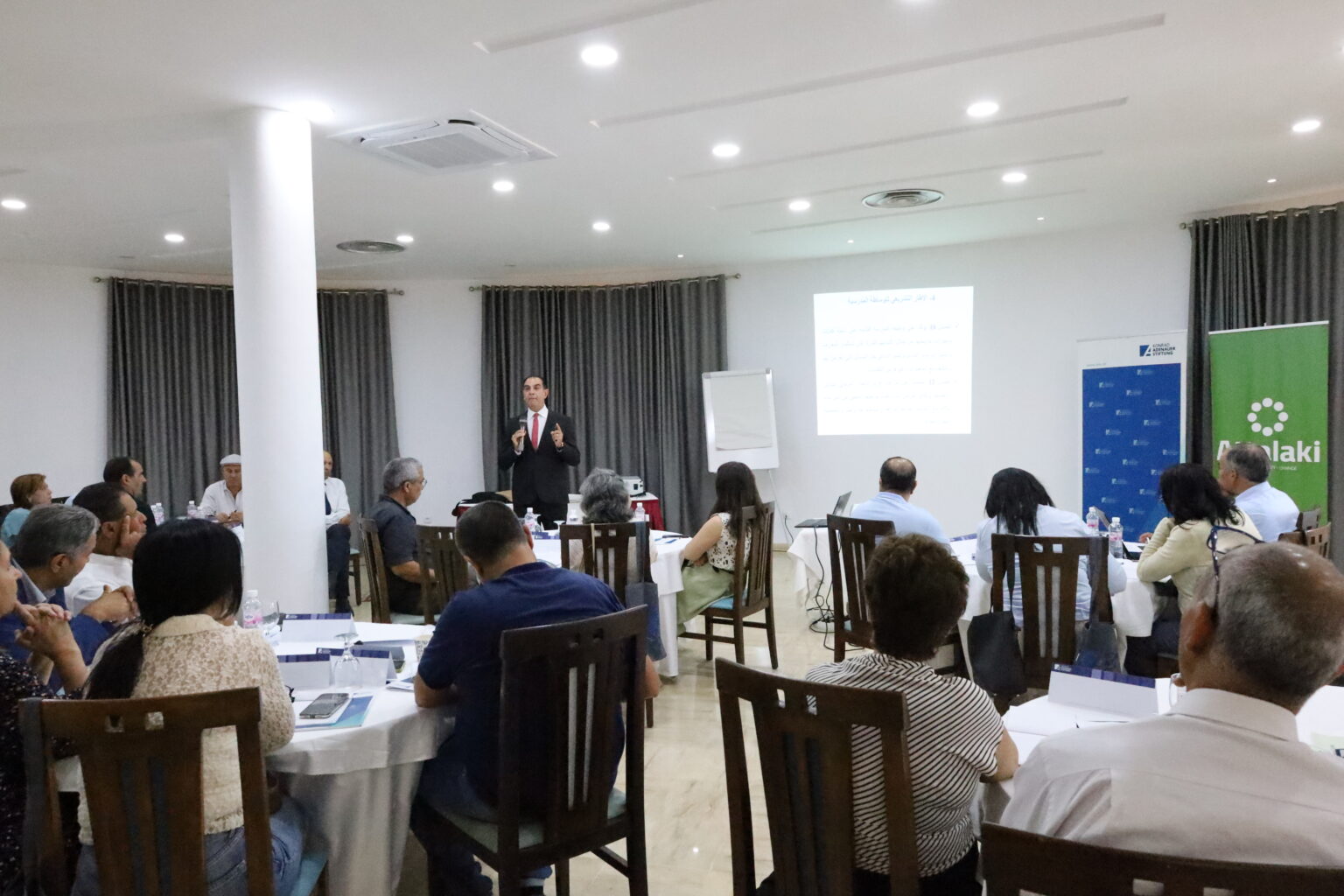
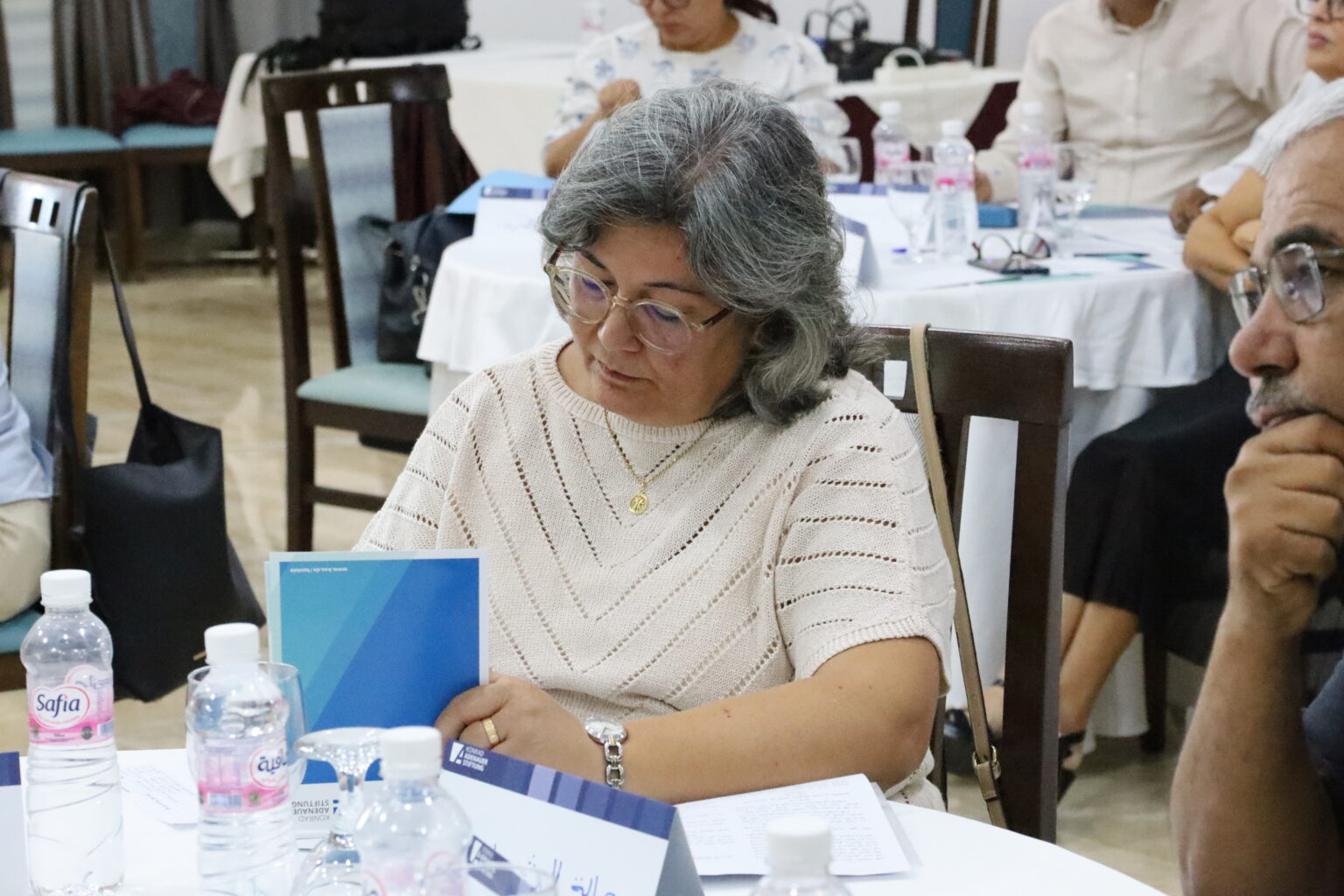
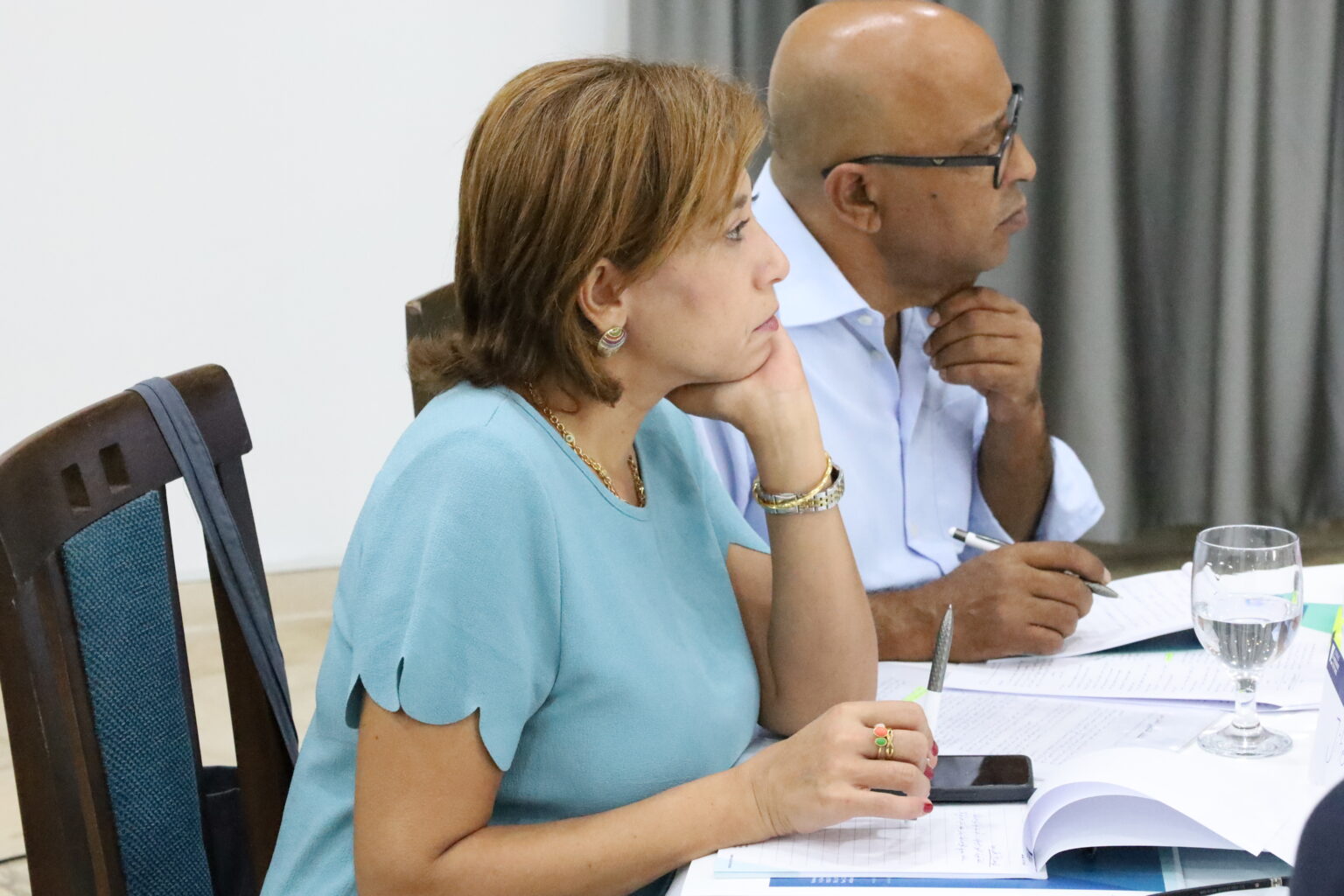
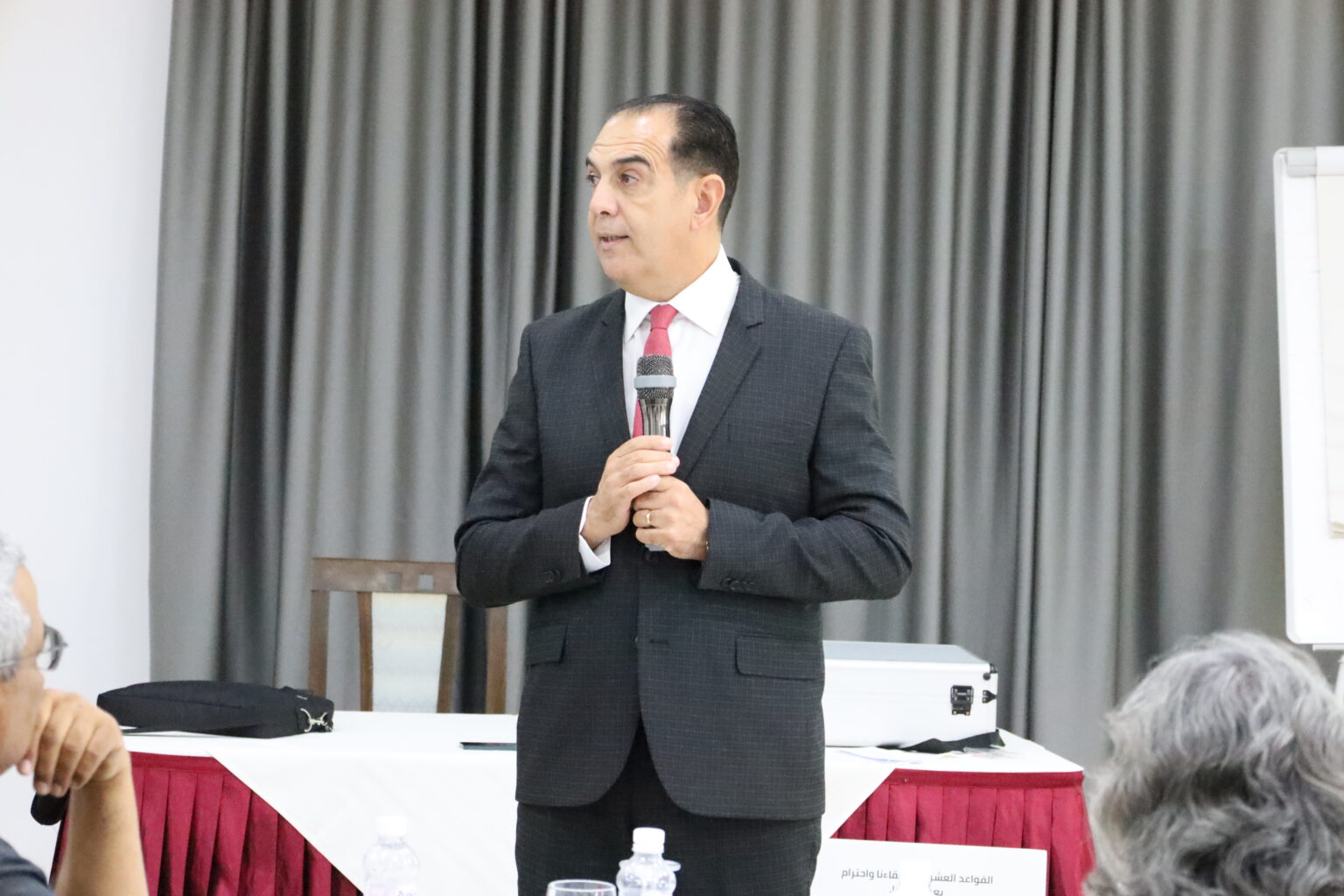
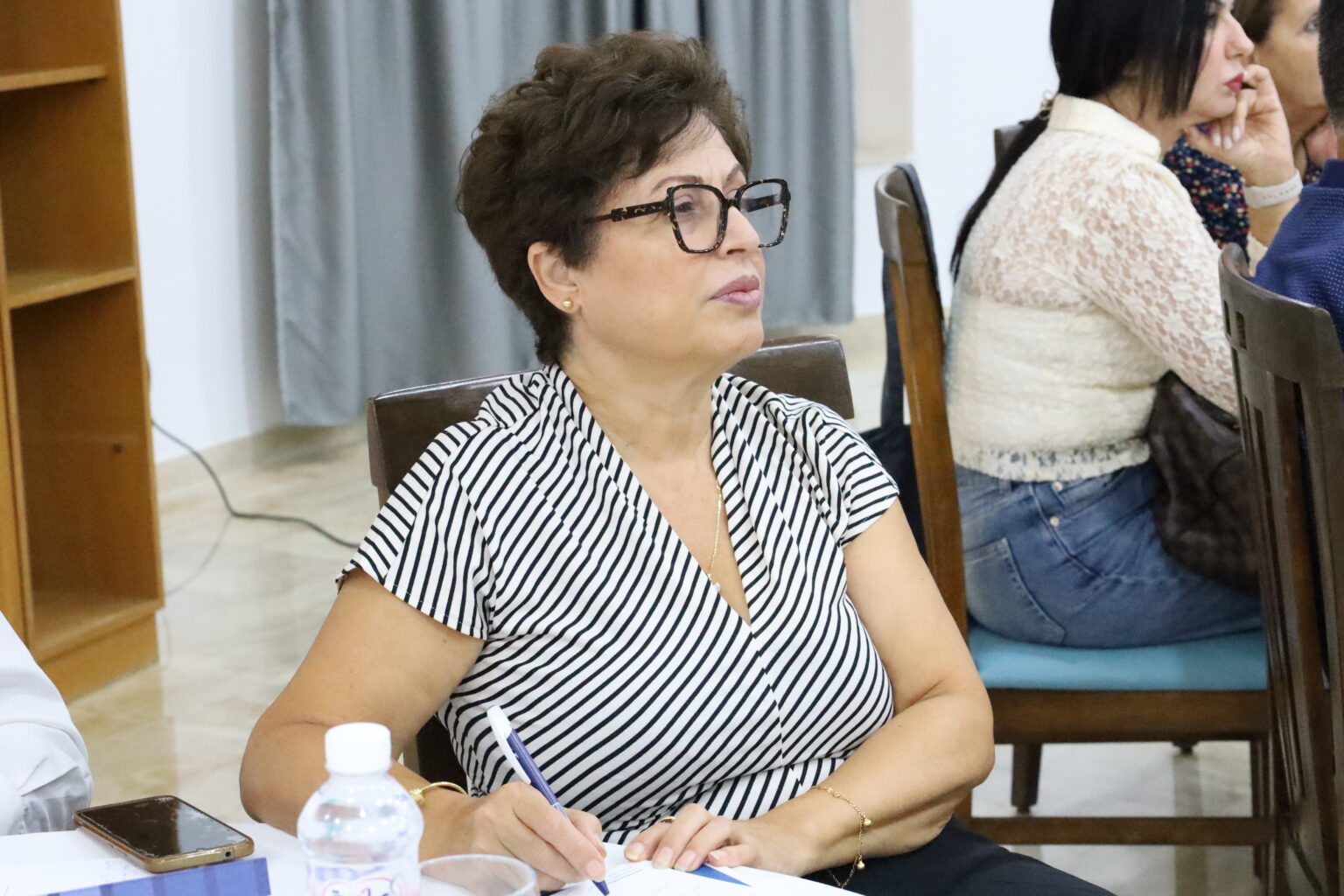
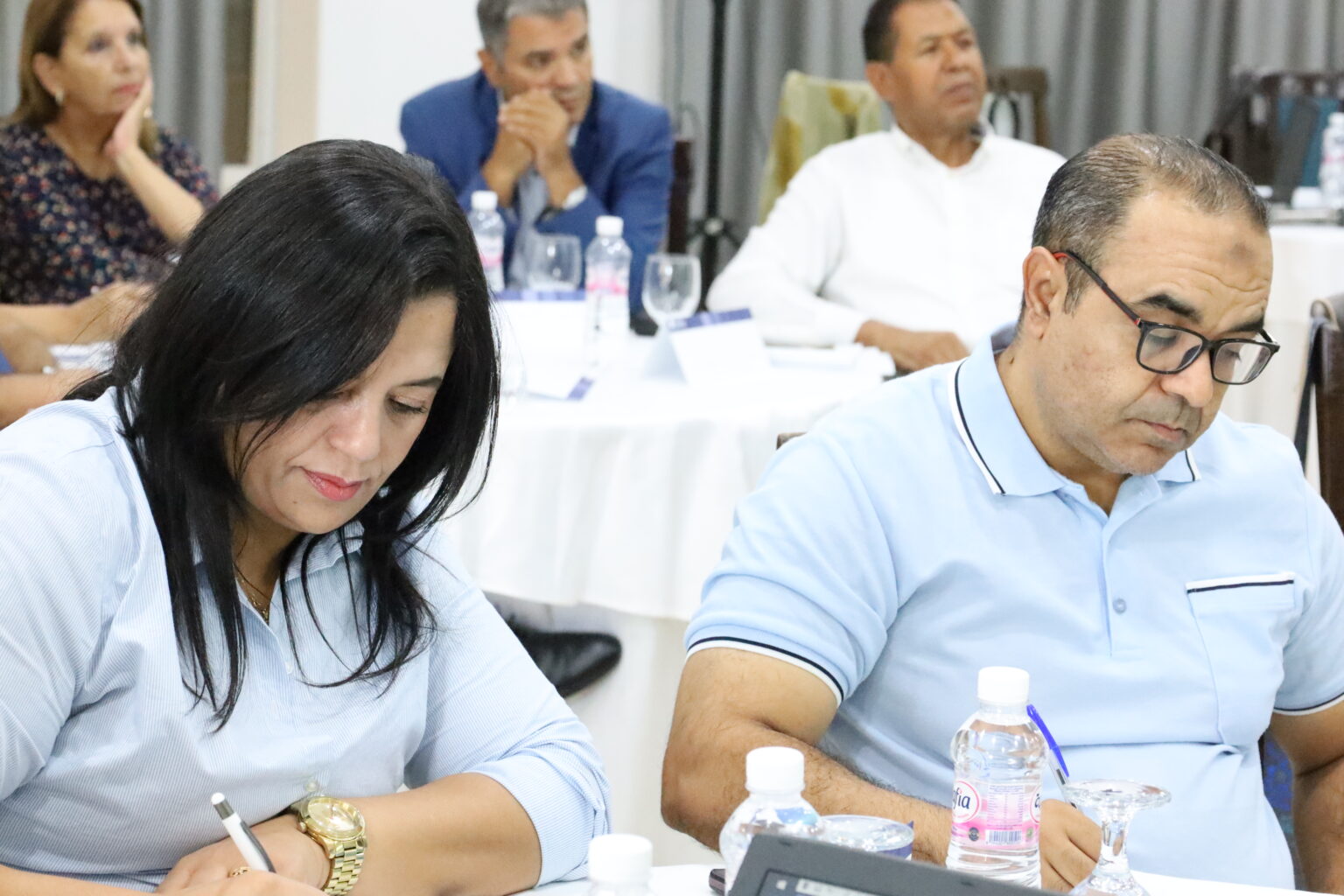
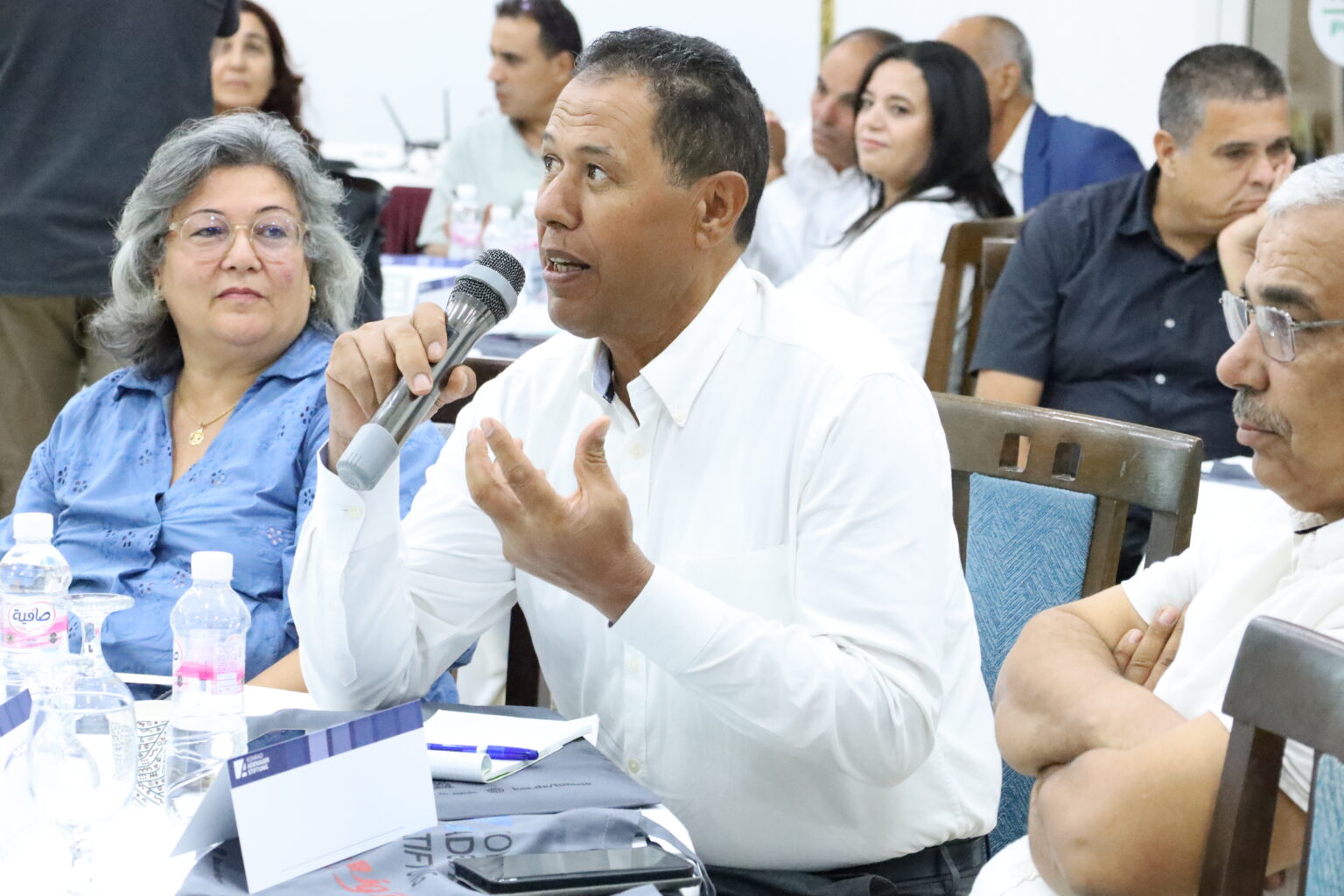
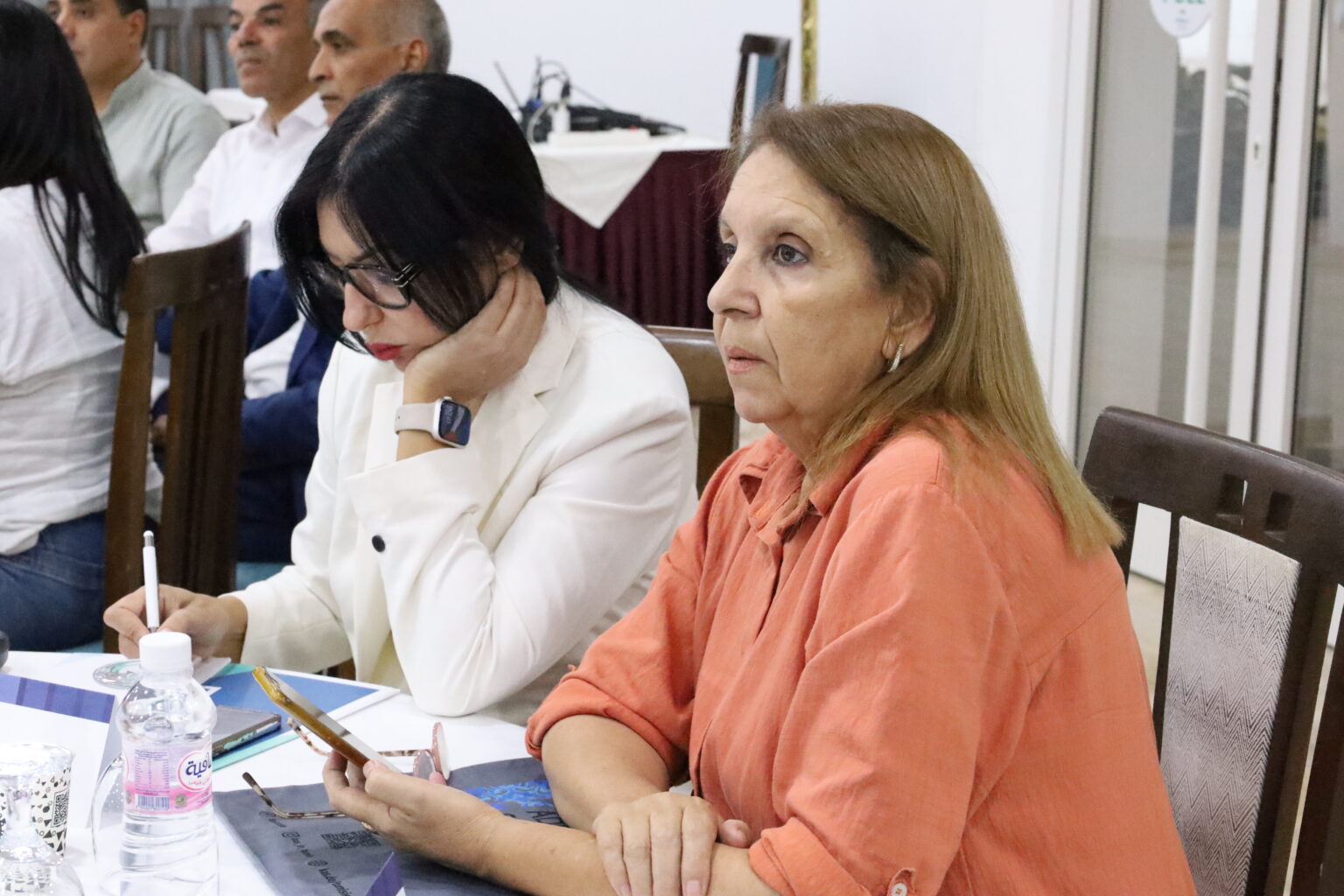
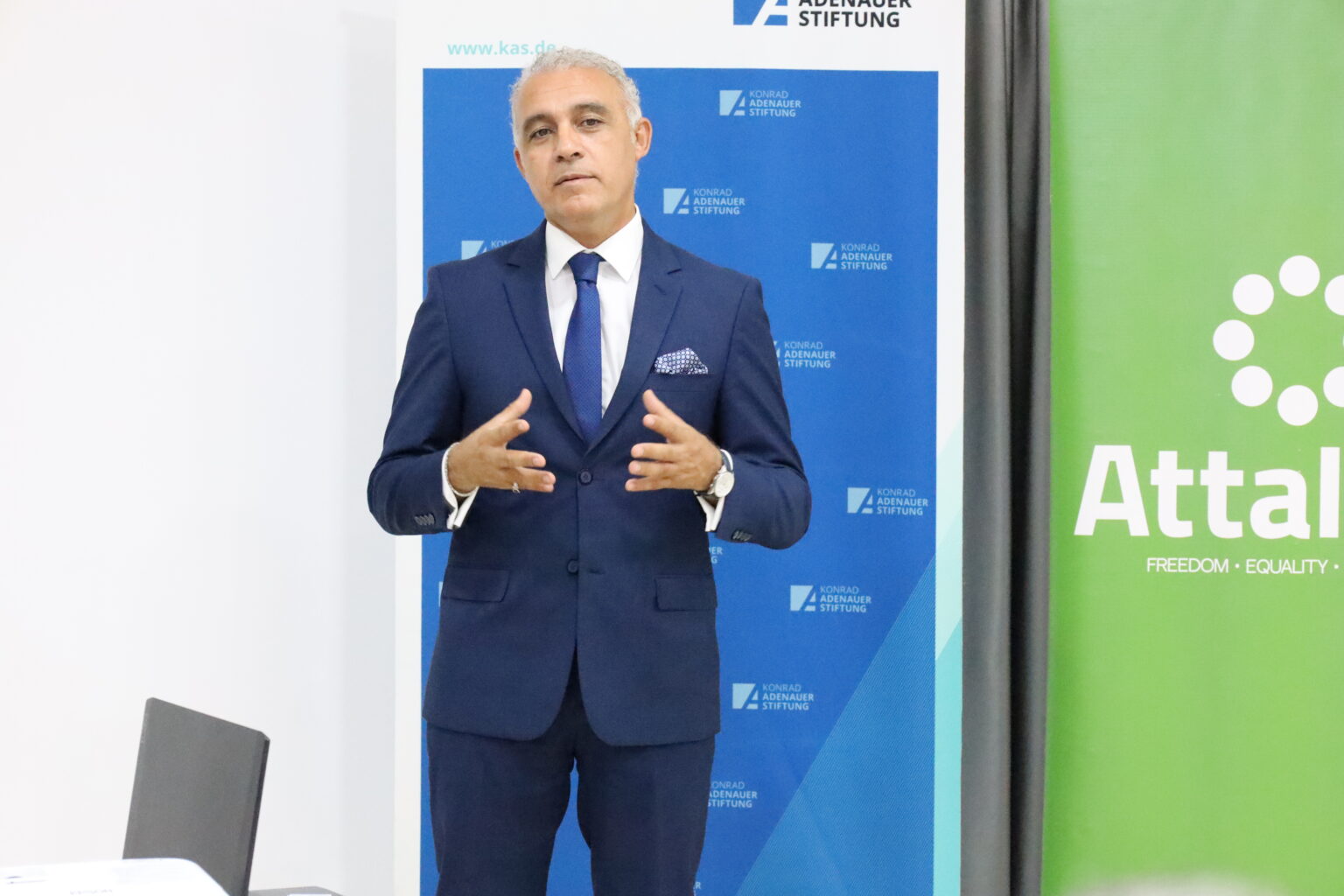
Against this background, Attalaki organized, in cooperation with the Konrad-Adenauer-Stiftung (KAS) Tunisia Office, a training session entitled “Strengthening the Capacities of School and University Guidance Counsellors as Mediation Trainers for Improving the Educational Climate in Tunisia.” Held in Hammamet from 14 to 16 October 2026, the initiative brought together educational guidance counsellors from different regions to strengthen their understanding of mediation and examine the conditions required for its development within the Tunisian education system.
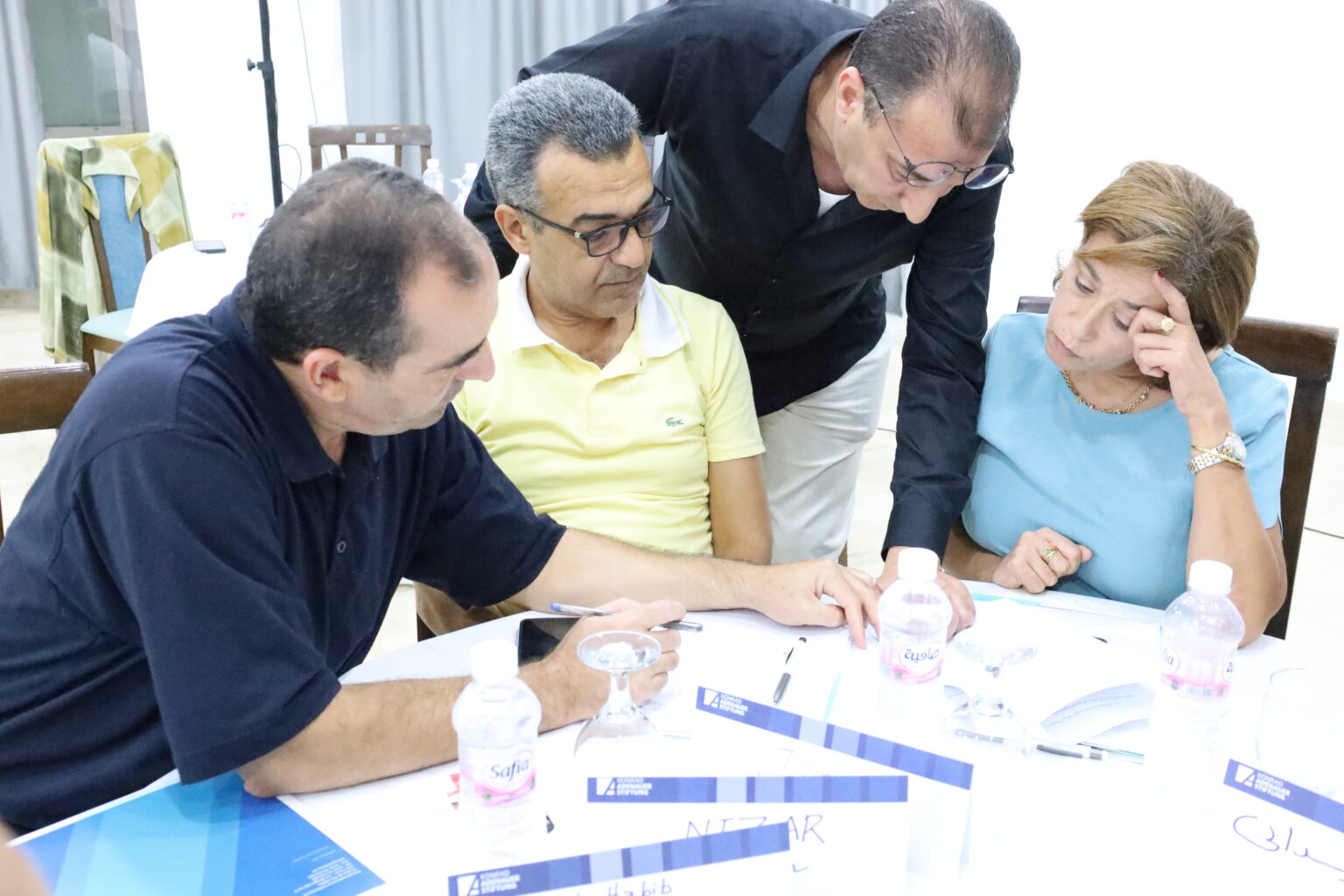
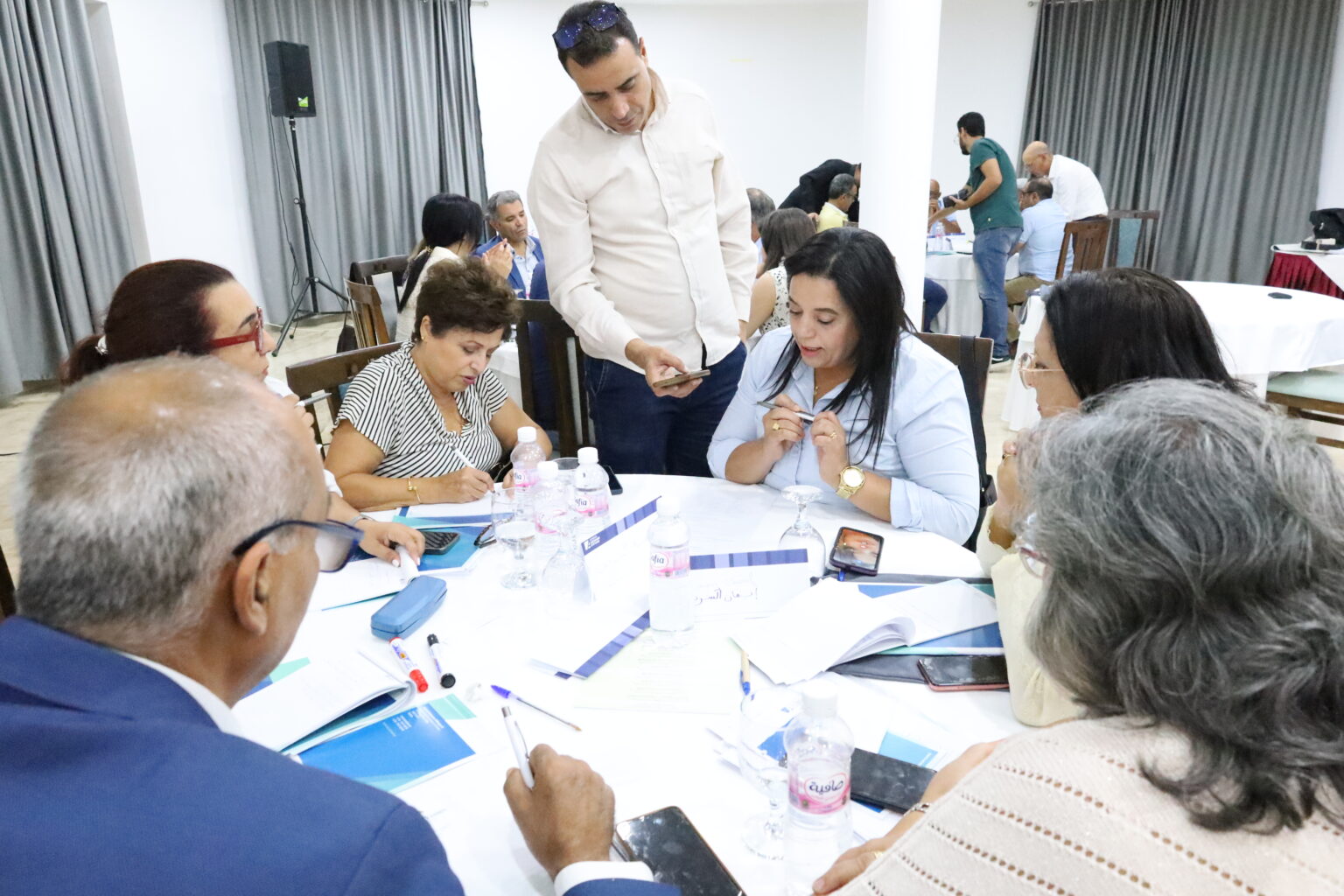
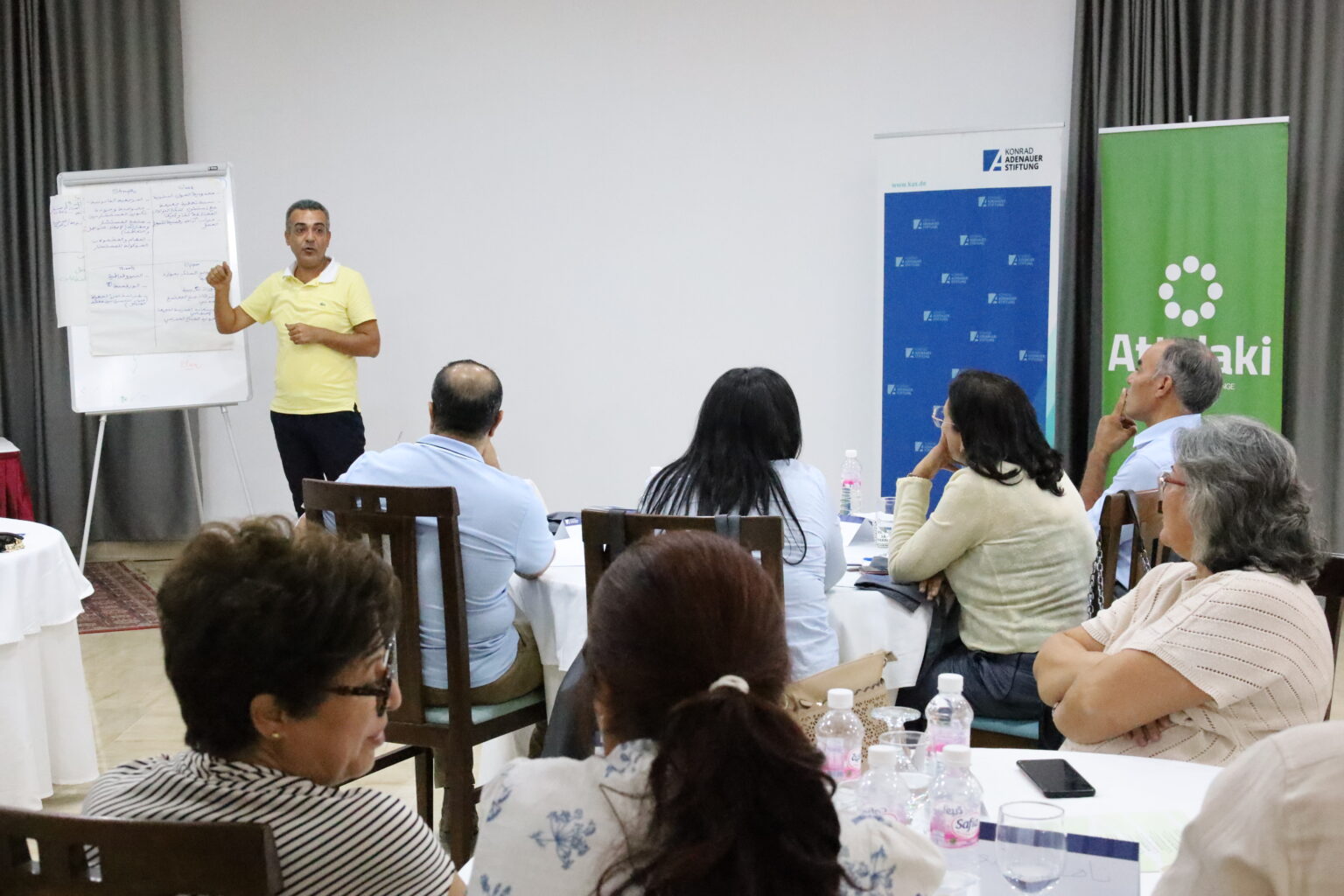
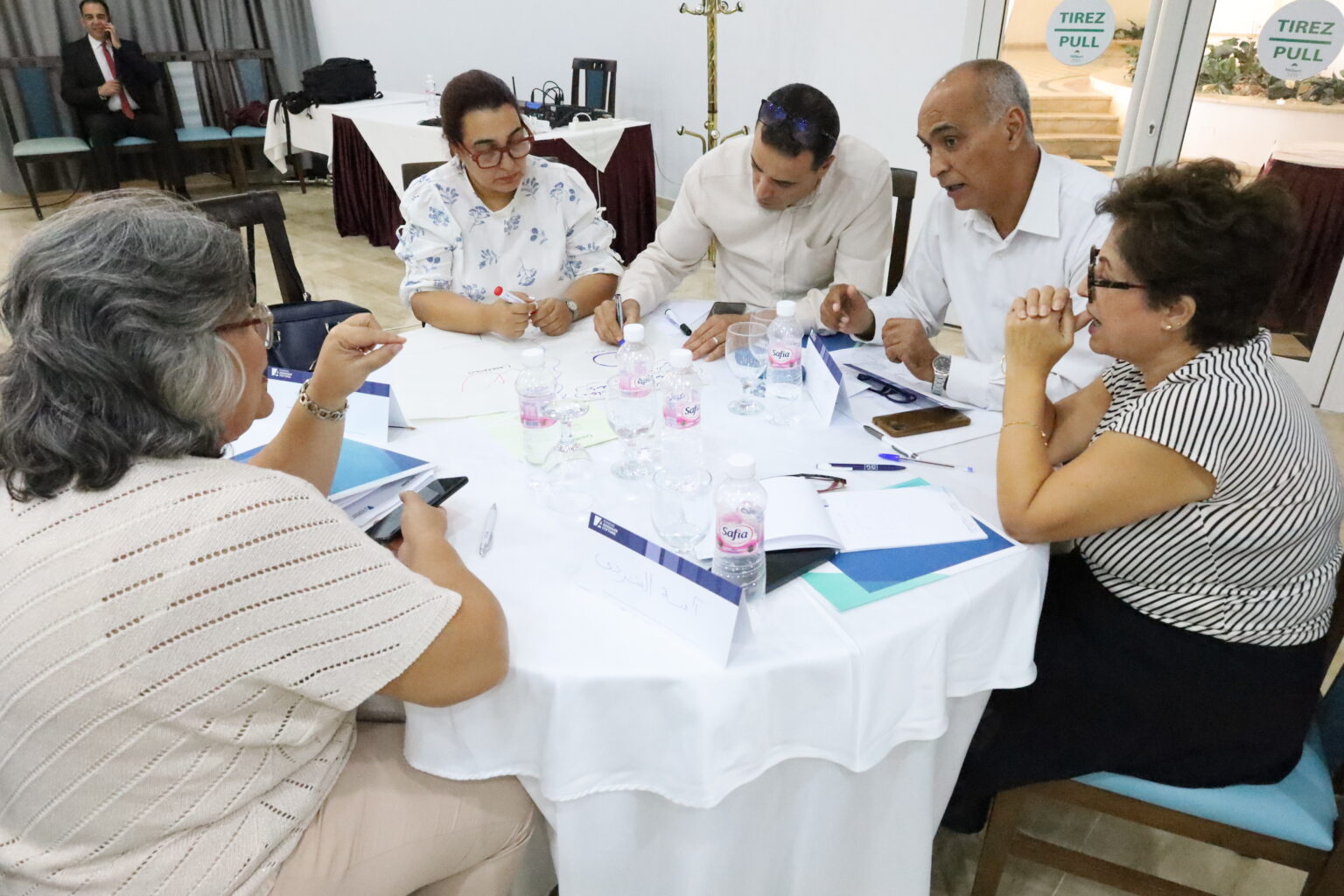
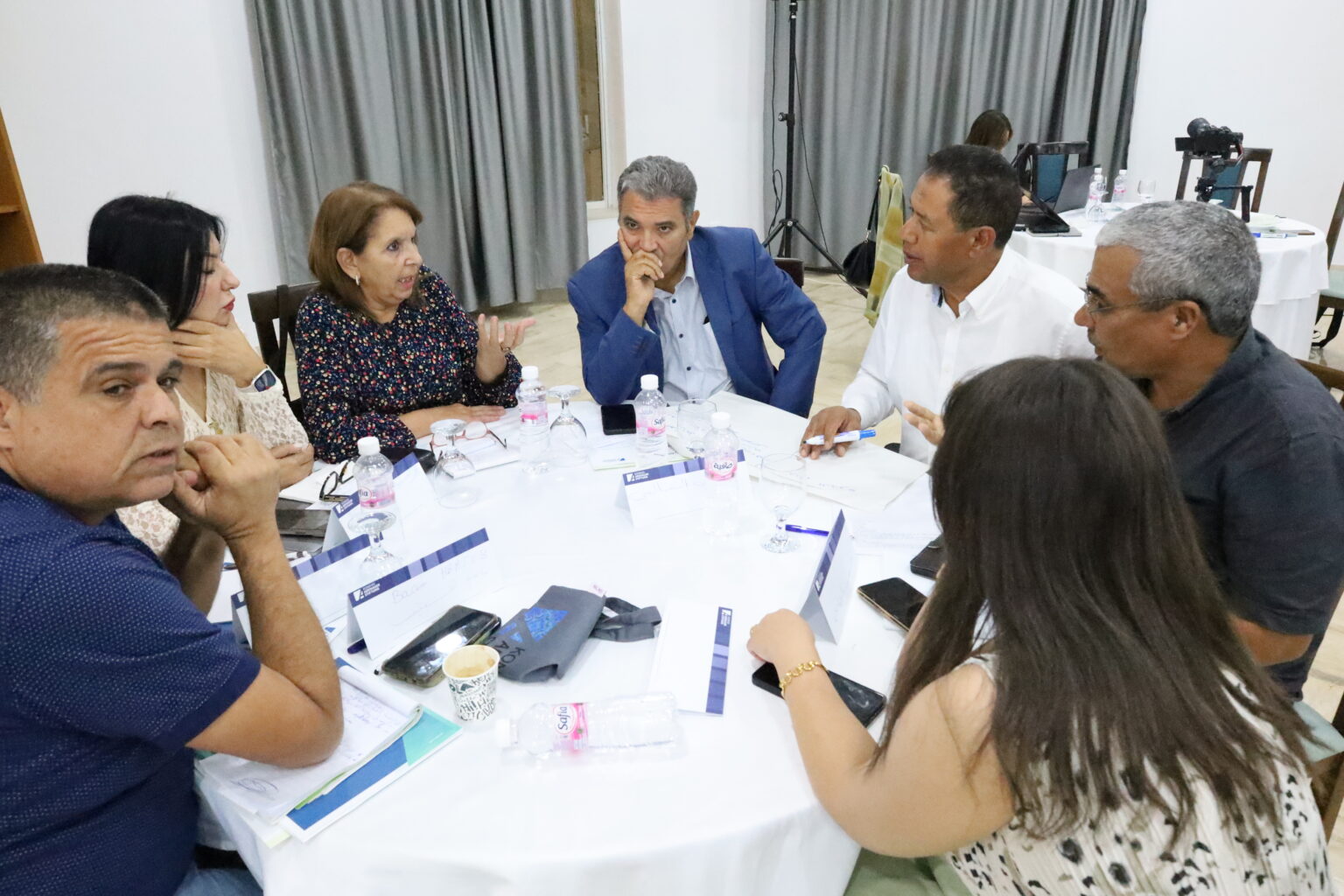
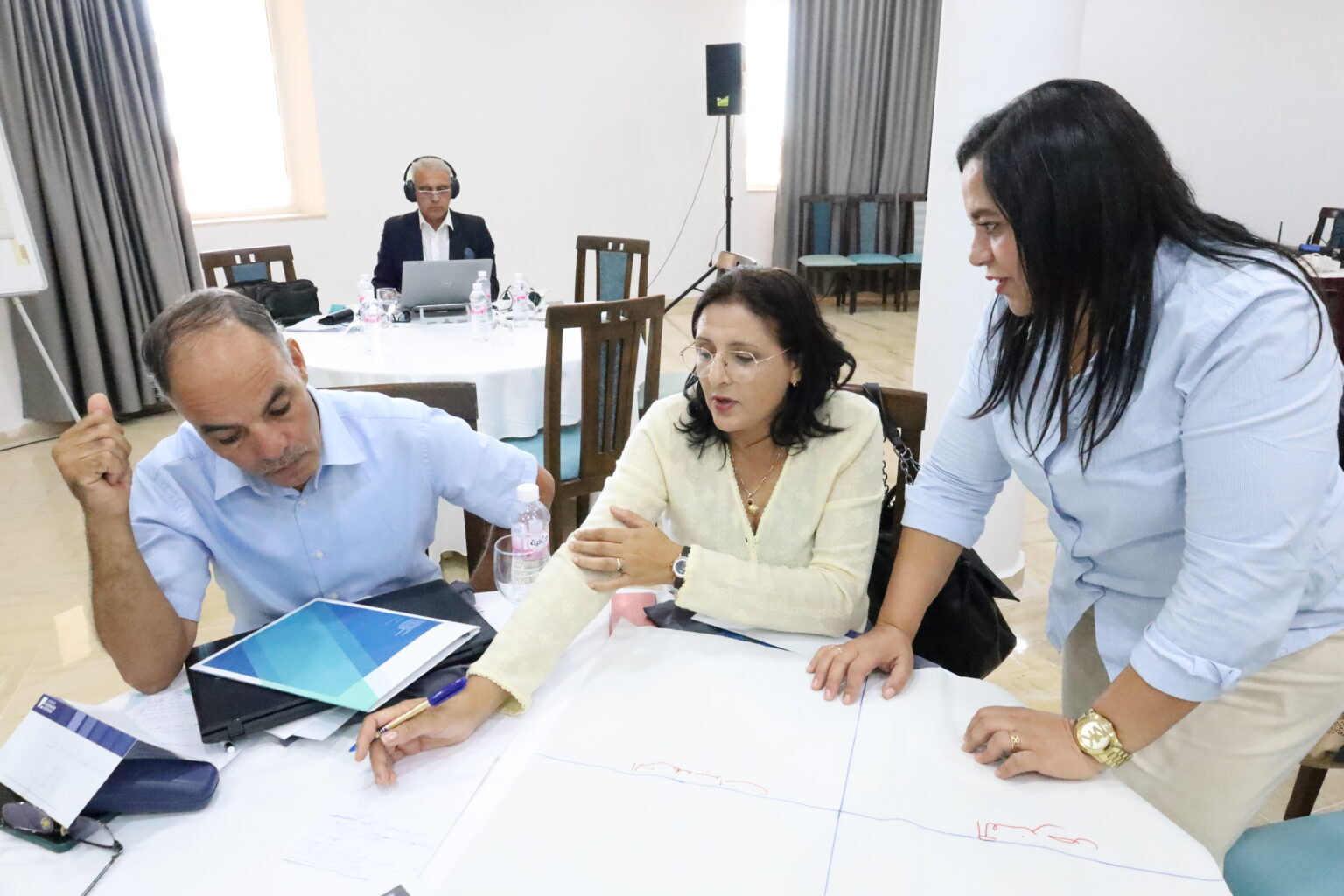
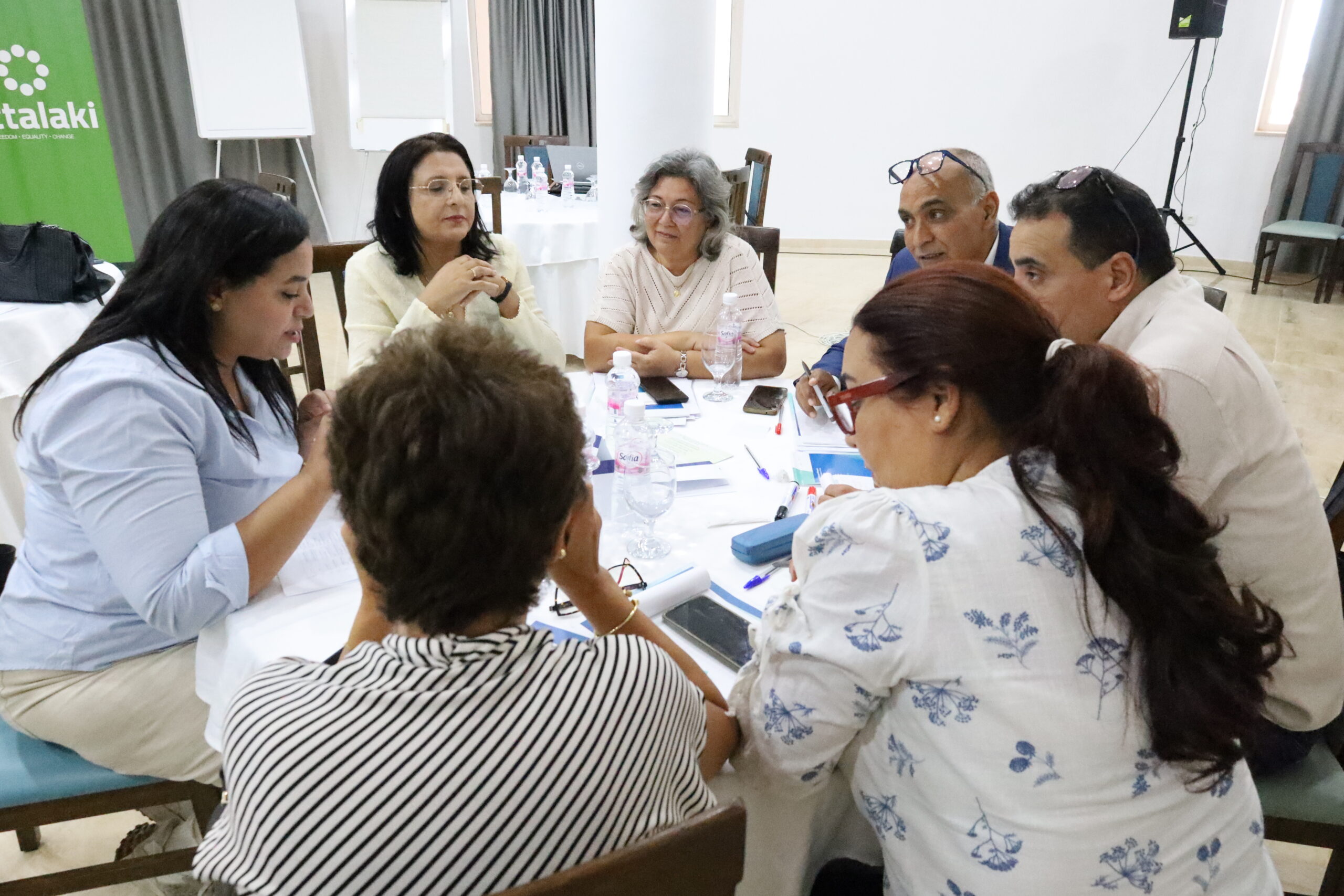
Facilitated by Mr. Mohamed Bechir Hichri, Mr. Najmeddine Aloui, and Dr. Salah Al-Ahmadi, the programme combined theoretical and legal contributions with case studies, practical simulations, group work, and collective discussion. It addressed both the principles governing mediation and the practical competencies required to facilitate dialogue in educational settings.
The training also provided a framework for considering the institutional dimensions of school mediation. Participants worked on proposals concerning the organization of mediation mechanisms, awareness-raising among educational stakeholders, and the identification and preparation of mediators. This combination of professional development and institutional reflection was intended to support further discussion with relevant partners and contribute to efforts to improve the educational climate in Tunisia.
The initiative reflects the importance of linking practical skills to institutional development. Strengthening the capacity of educational professionals is an important component of this process, alongside the development of procedures and shared understandings that can support the consistent and appropriate use of mediation.
From Theory to Practice: Addressing Conflict in Educational Settings
The training placed particular emphasis on applying mediation principles to realistic situations. Through practical exercises, participants explored how the mediator’s approach can influence communication, help clarify the sources of disagreement, and create conditions for constructive discussion.
The simulations included a conflict between two students following an accusation of phone theft and a disagreement between a student and a teacher concerning authority and respect in the classroom. Participants took different roles—as mediators, parties to the conflict, and observers—to examine how active listening, impartiality, emotional management, and the search for common ground could be applied in each situation.
These exercises highlighted the importance of adapting the mediation process to the circumstances of each case. A disagreement between students may require a different approach from a conflict involving a teacher or a member of the school administration, particularly where differences in authority or responsibility are involved.
The programme also explored conflicts involving students, teachers, school administrations, and parents. Through these discussions, participants considered the importance of communication, the limits of mediation, and the need for appropriate coordination and referral arrangements.
By combining practical exercises with legal and theoretical discussion, the training enabled participants to connect mediation principles with the professional realities of educational institutions.
Developing Proposals for a Tunisian School Mediation Model
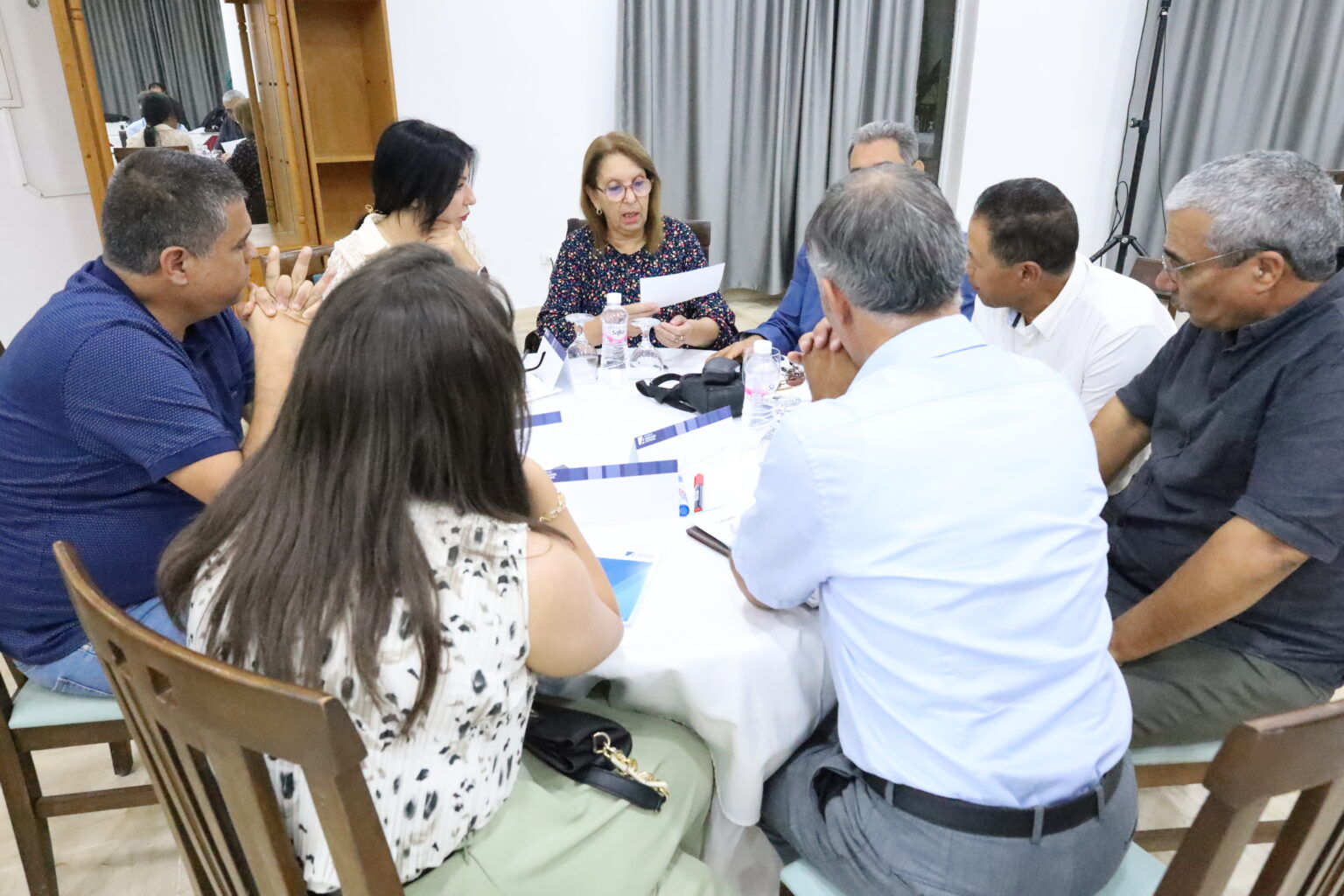
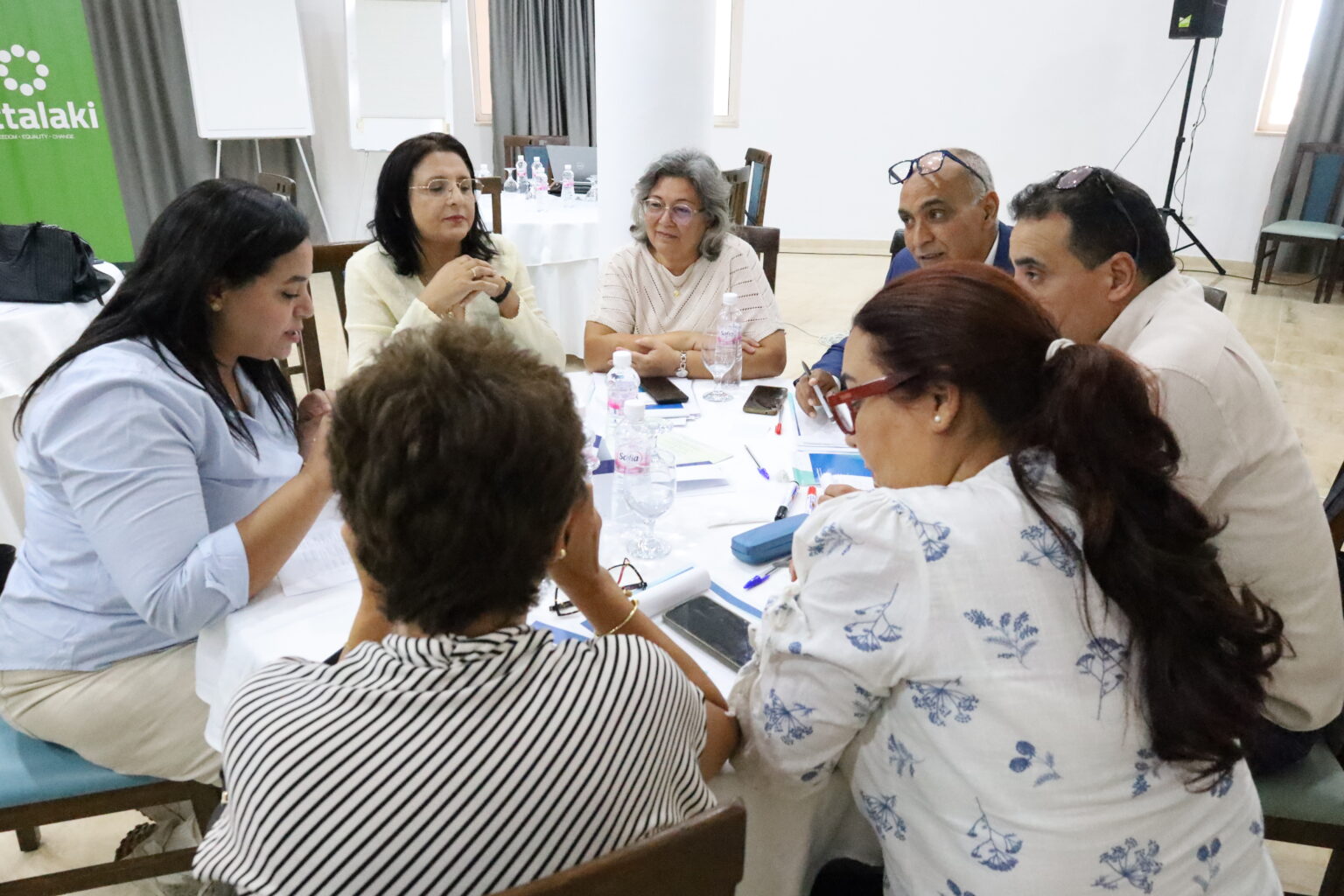
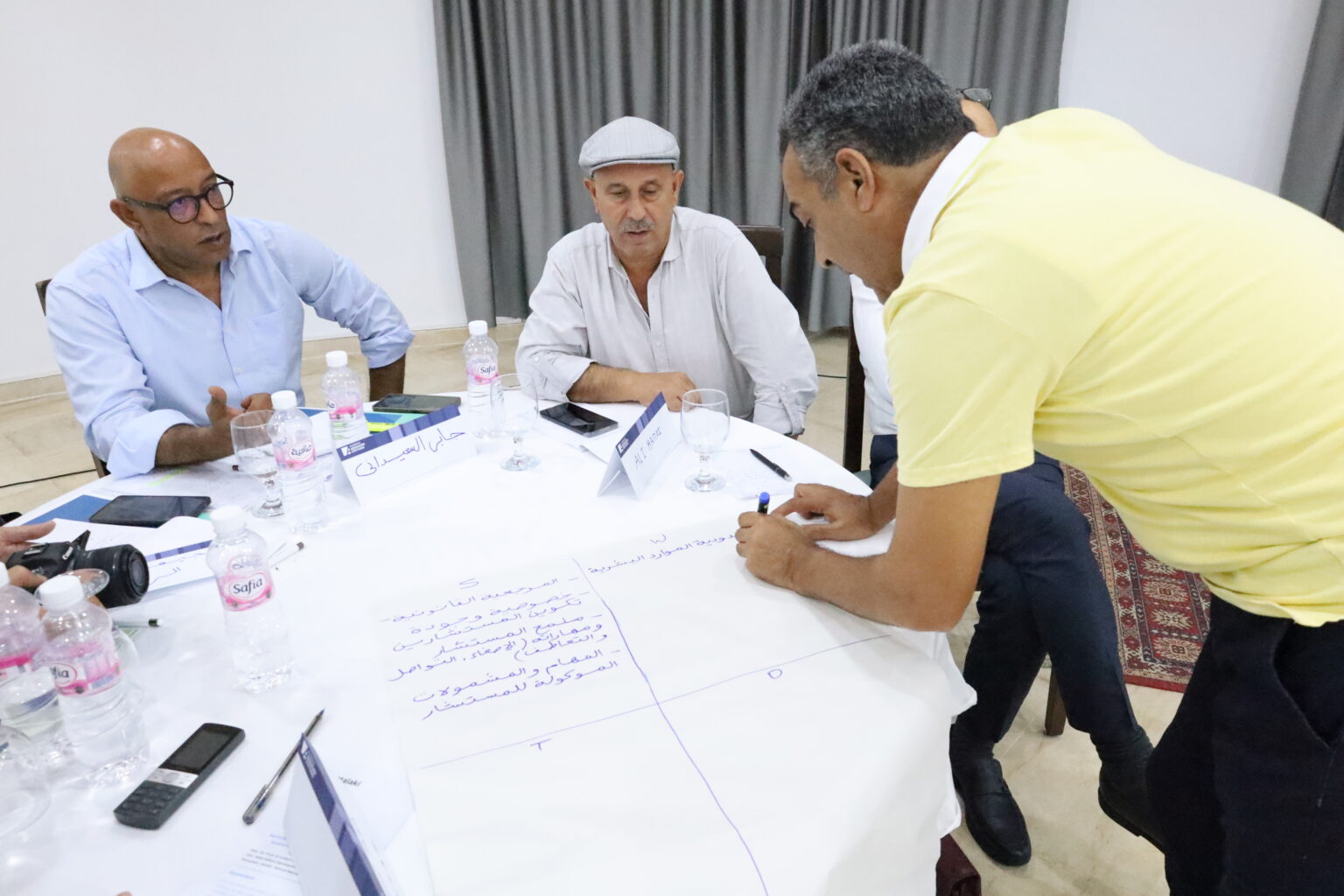
A central component of the training was the development of proposals for a school mediation model adapted to the Tunisian context. Group work focused on three complementary dimensions: institutional organization, awareness-raising, and the selection and preparation of mediators.
Institutional organization and procedures. Participants examined how mediation could be organized at the level of schools, regional education authorities, and the central administration. Their discussions addressed the distribution of responsibilities, coordination between actors, and procedures for receiving, referring, and following up on cases. They also considered the mediator’s functional independence, personal data protection, and the relationship between mediation mechanisms and existing institutional structures.
Awareness-raising and communication. A second group developed proposals for a campaign to explain the purpose and principles of school mediation and encourage appropriate engagement with the mechanism. The discussion considered the different audiences to be reached, including students, parents, teachers, administrative teams, and guidance counsellors. Participants also examined key messages, communication channels, campaign planning, and ways to assess its impact. Clear and accessible communication was identified as important to building understanding and confidence in mediation.
Mediator selection and preparation. The third group considered the criteria and procedures for identifying suitable mediators. These included impartiality, emotional balance, empathy, listening and communication skills, and an understanding of mediation principles. Participants also discussed eligibility requirements, conflicts of interest, grounds for exclusion, candidate assessment, practical simulations, and the training and follow-up needed to prepare selected mediators for their responsibilities.
The groups presented their proposals during the closing session. Together, their work addressed the institutional, communication, and professional requirements that would need to be considered in developing a coherent mediation mechanism. The proposals provide material for further consolidation and discussion with project partners and are intended to inform the final report submitted to the Ministry of Education.
These contributions constitute proposals for further development, rather than an adopted national framework. Their consideration and potential implementation will require continued consultation, clarification of institutional responsibilities, and assessment of the practical arrangements and resources needed to support them.
School Mediation, Dialogue, and Social Cohesion
The development of mediation in educational settings has implications beyond the resolution of individual disputes. By establishing structured opportunities for listening, dialogue, and shared problem-solving, mediation can contribute to relationships based on mutual respect and a more constructive approach to differences.
These objectives are closely connected to the broader role of educational institutions in preparing young people to engage with others, manage disagreements, and participate responsibly in collective life. Such an approach does not eliminate the need for appropriate disciplinary measures or other institutional responses. Rather, it complements existing arrangements by providing a framework for addressing suitable conflicts through dialogue.
For Attalaki, supporting this work is consistent with its commitment to fostering dialogue, respect for differences, and social cohesion in Tunisia. The organization’s engagement in school mediation connects these principles with the institutional and professional capacities needed to put them into practice in educational environments.
The cooperation with the Konrad-Adenauer-Stiftung Tunisia Office provided an opportunity to bring together capacity-building and reflection on the arrangements that could support mediation over time. Further engagement with the relevant educational authorities and partners will be important to examining the proposals developed during the training and identifying appropriate next steps.
Conclusion
Strengthening school mediation in Tunisia requires coordinated attention to professional competencies, institutional procedures, and awareness among the educational community. The training organized by Attalaki in cooperation with the Konrad-Adenauer-Stiftung Tunisia Office addressed these dimensions through legal and theoretical contributions, practical simulations, and the development of proposals for a model adapted to the Tunisian context.
The work undertaken during the training provides a basis for further discussion on the organization of mediation mechanisms, the preparation of mediators, and communication with educational stakeholders. Continued consultation will be necessary to assess these proposals and clarify the conditions required for their potential implementation.
By connecting practical conflict-management skills with institutional development, this initiative contributes to broader efforts to strengthen dialogue within educational institutions and promote a school climate grounded in mutual respect, constructive engagement, and peaceful coexistence.