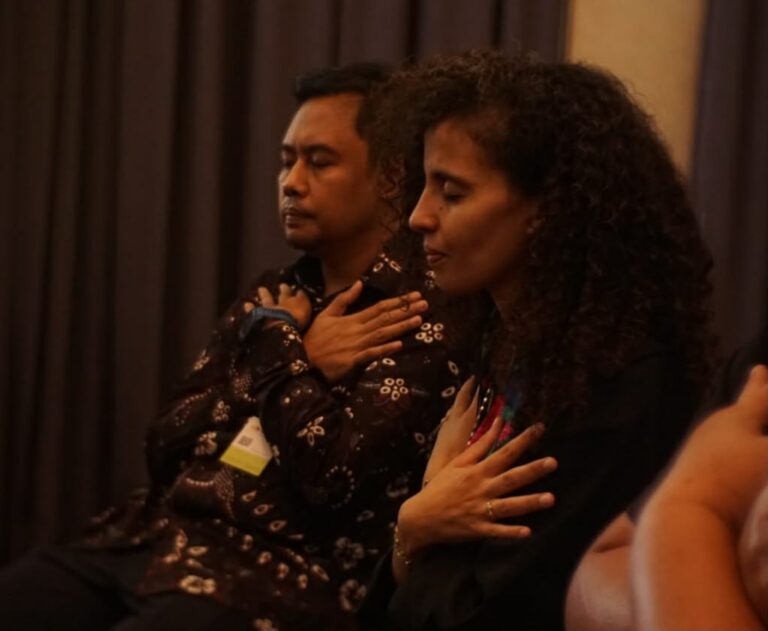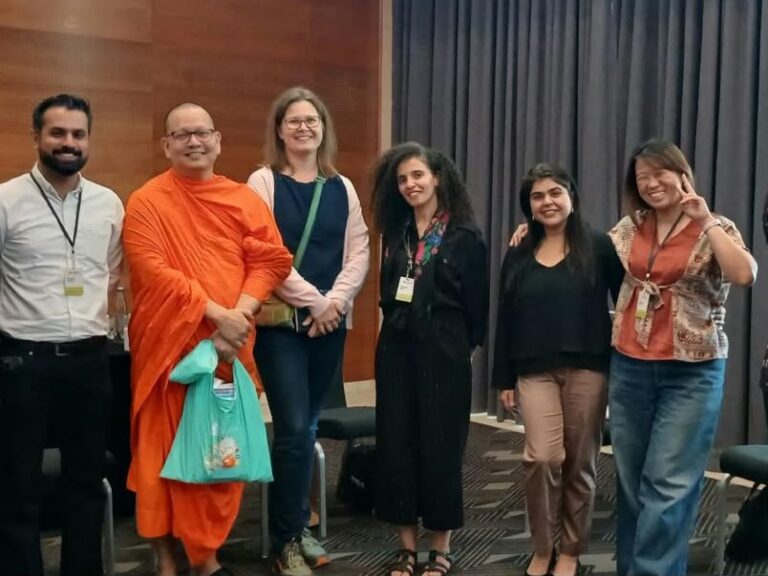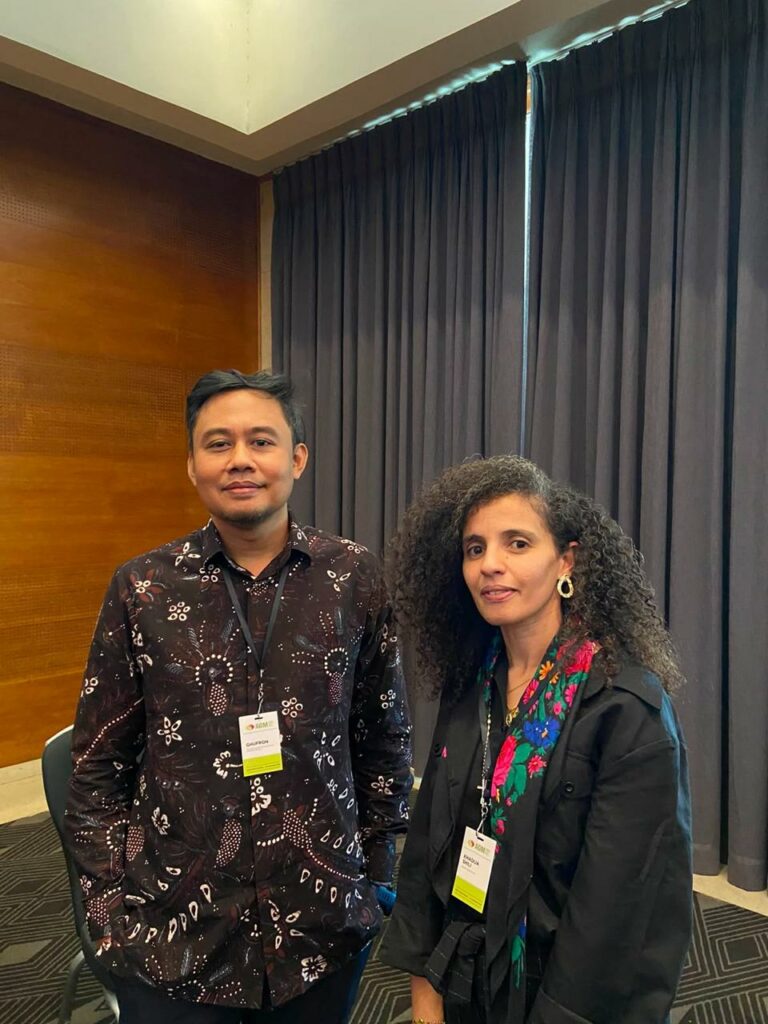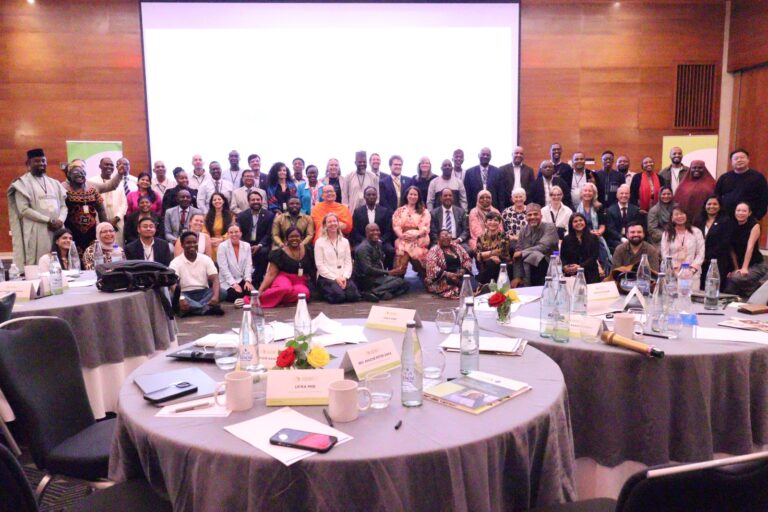


Attalaki participated in the 2026 Advisory Group Meeting of the Network for Religious and Traditional Peacemakers (NRTP), held from 2–4 September 2026 in Addis Ababa, Ethiopia, under the theme “Shaping Peace in a Fractured World – The Imperative Role of Religious and Traditional Actors.”
The Advisory Group Meeting brought together members and partners of the Network to reflect on the evolving global peacebuilding landscape and the role of religious and traditional actors in responding to increasingly complex and fragmented contexts. The meeting also provided an opportunity for members to contribute to the development of the Network’s 2026–2031 strategy and implementation roadmap, with discussions focusing on thematic priorities, inclusion, collaboration, and locally rooted approaches to peacebuilding.
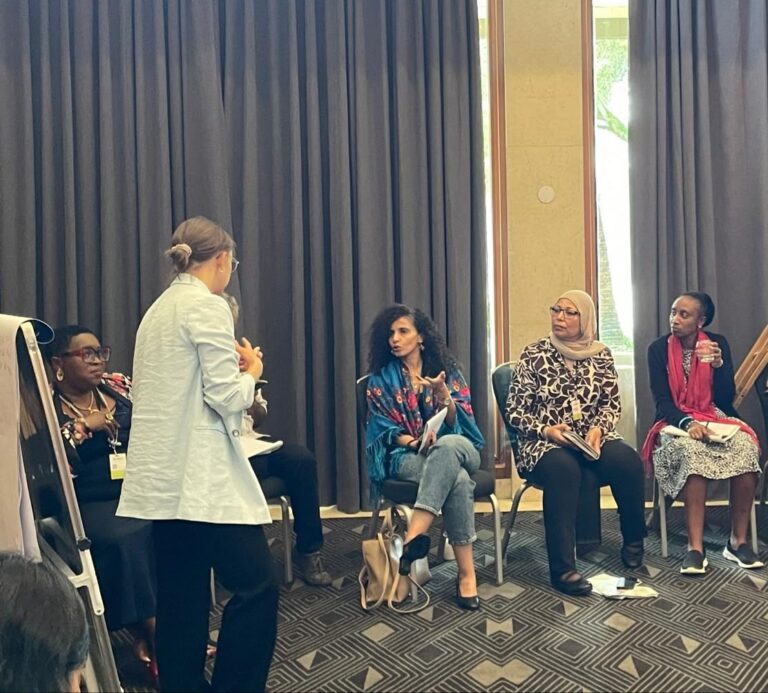
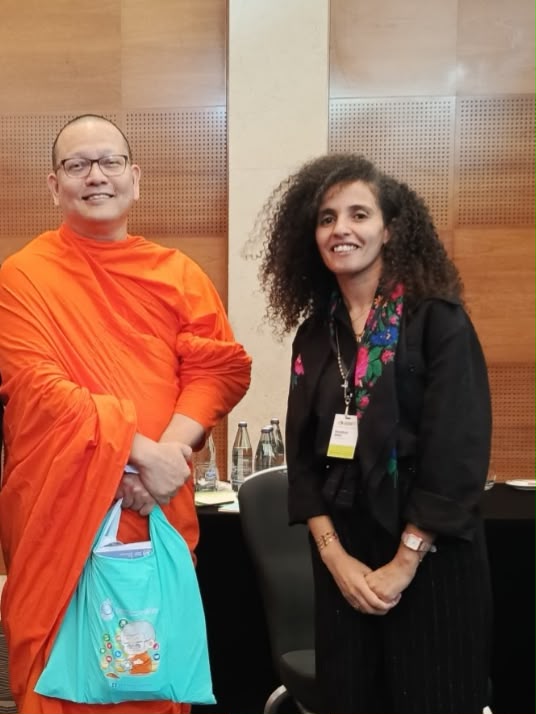
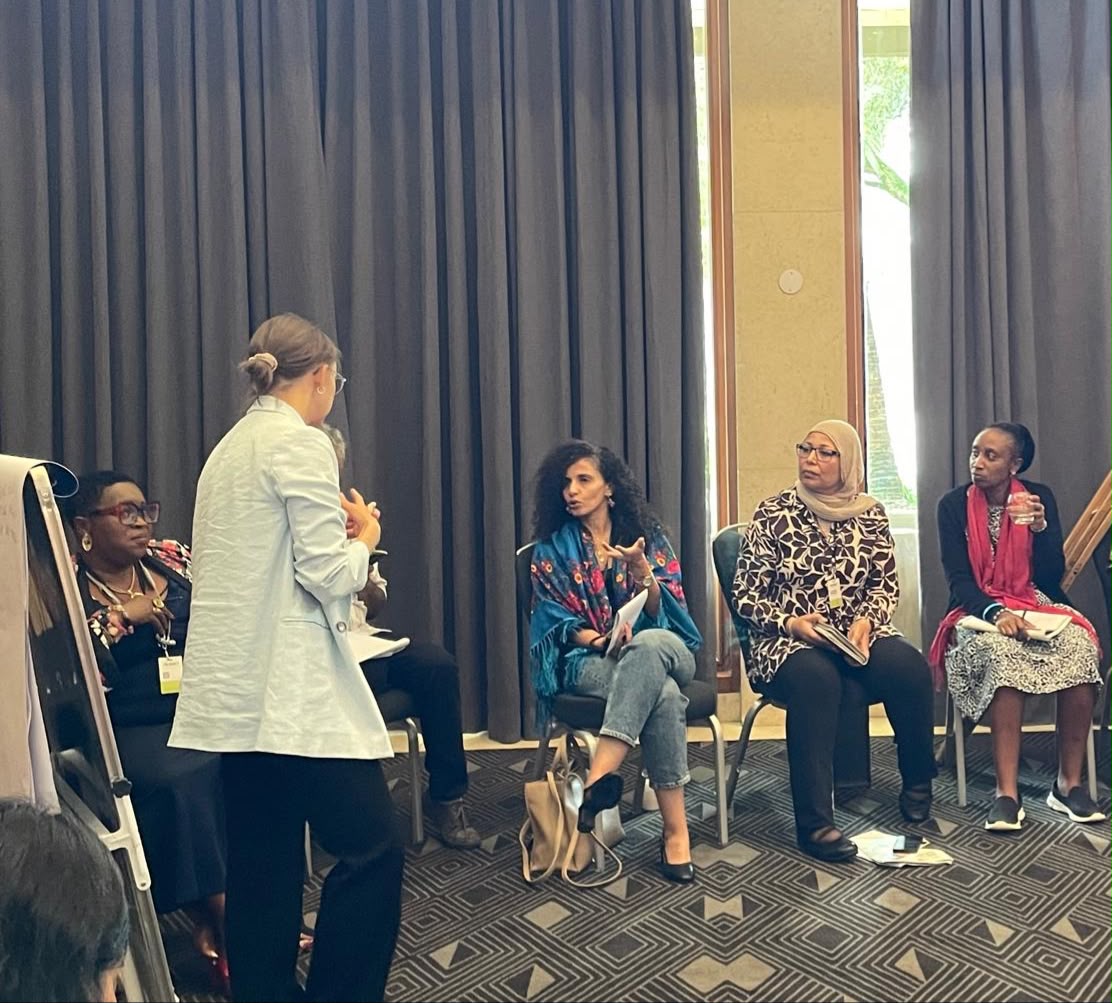
Attalaki was represented by its President, Ms. Khadija Shili, whose participation formed part of Attalaki’s continued engagement with the Network, of which it has been a member since April 2022. At the invitation of the organizers, Ms. Shili also contributed to the session titled “Accessible Peace: Strategies for PWD Agency and Representation,” sharing a Tunisian experience related to participation and agency.
The NRTP 2026 Advisory Group Meeting
The 2026 Advisory Group Meeting marked an important moment in the Network’s ongoing development and was the first annual gathering to be held on the African continent. It brought together religious and traditional actors, representatives of multilateral and intergovernmental organizations, civil society stakeholders, women and youth, and other members and partners engaged in peacebuilding across different regions.
The programme combined reflection on the Network’s achievements and impact with discussions on its future direction. A central component of the meeting was the development and endorsement of the 2026–2031 mandate and implementation roadmap, through discussions on thematic priorities, whole-of-society inclusion, and collaboration among members and partners.
The agenda also provided space for participants to examine emerging issues affecting peacebuilding and social cohesion. Learning sessions addressed areas including faith-based mediation, artificial intelligence and hate speech, the climate–peace nexus, and disability inclusion in peacebuilding, allowing members to share experiences and approaches from different contexts.
The meeting further included regional exchanges, including dedicated discussions among African and Asian members, reinforcing the Network’s objective of connecting global peacebuilding efforts with regional realities and locally grounded experiences.
Attalaki’s Contribution
As a member of the Network for Religious and Traditional Peacemakers since April 2022, Attalaki has taken part in the Network’s broader exchanges and opportunities for collaboration among religious and traditional actors and other peacebuilding stakeholders. The 2026 Advisory Group Meeting provided another opportunity for Attalaki to engage in these discussions and contribute to the Network’s reflection on its future priorities.
At the invitation of the Network, Ms. Shili contributed to the session on “Accessible Peace: Strategies for PWD Agency and Representation.” Drawing on an experience from Tunisia, she highlighted the importance of ensuring that persons with disabilities are not only considered as beneficiaries of initiatives, but are also able to participate directly in advocacy and decisions affecting their lives.
The contribution drew on experiences from capacity-building activities involving persons with disabilities in different regions of Tunisia, including the development of advocacy, fundraising, and media campaigning skills, as well as engagement with public institutions around access to education and transportation. These experiences offered a concrete perspective to the session’s broader discussion on agency, representation, and inclusive approaches to peacebuilding.
For Attalaki, the contribution also provided an opportunity to bring a locally grounded Tunisian experience into a wider international discussion, while engaging with Network members examining how different communities can participate meaningfully in peacebuilding processes.
Conclusion
The 2026 Advisory Group Meeting of the Network for Religious and Traditional Peacemakers provided an important platform for members to reflect on current challenges to peacebuilding and to contribute to shaping the Network’s 2026–2031 strategy and implementation roadmap. Its first edition on the African continent also offered an important opportunity to strengthen exchanges between global, regional, and locally rooted peacebuilding actors.
Attalaki’s participation, building on its membership in the Network since April 2022, contributed a Tunisian perspective to these discussions and reinforced its engagement with a diverse network of actors working on dialogue and peacebuilding across different contexts.
Through its continued participation in the Network, Attalaki remains engaged in international exchanges on dialogue, social cohesion, inclusive participation, and locally rooted approaches to peacebuilding, while sharing relevant experiences from Tunisia and learning from the practices and perspectives of partners from across the Network.