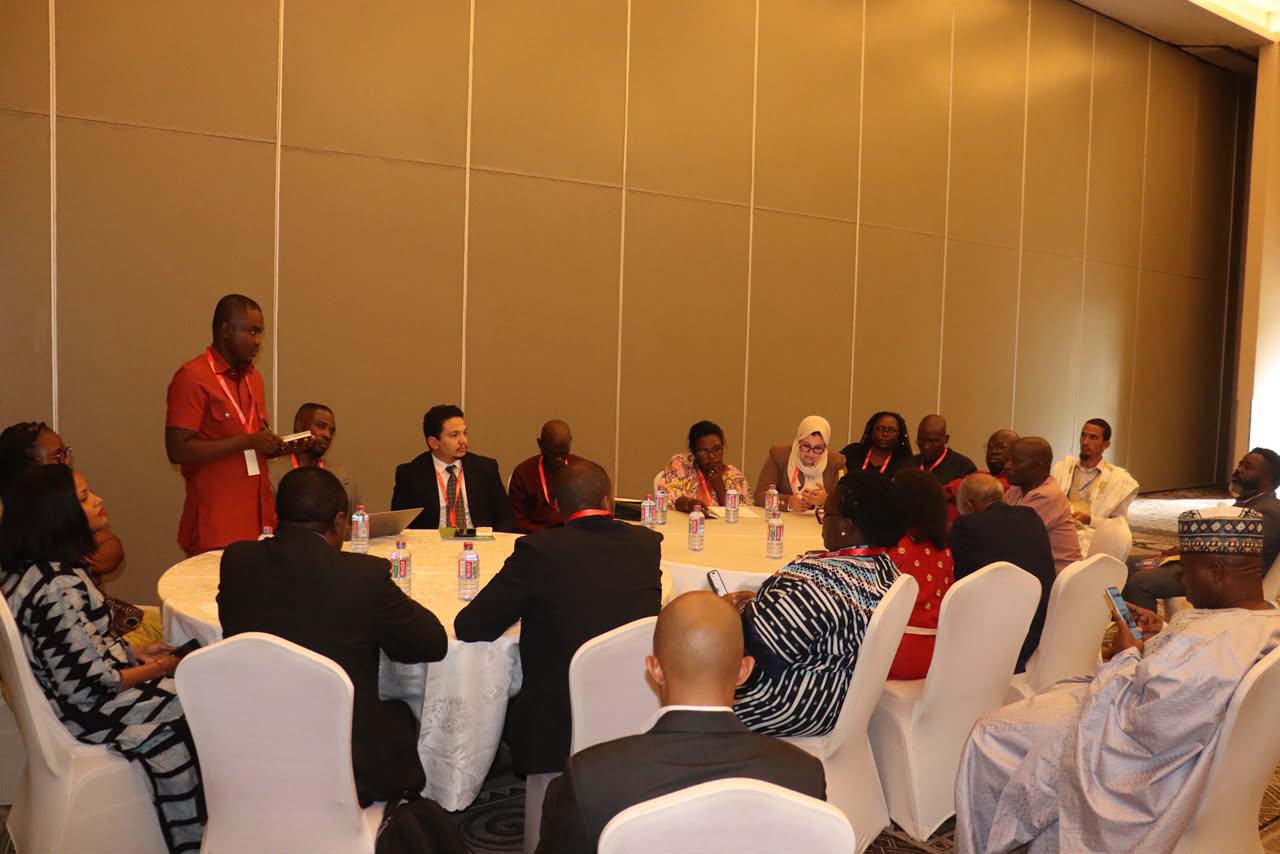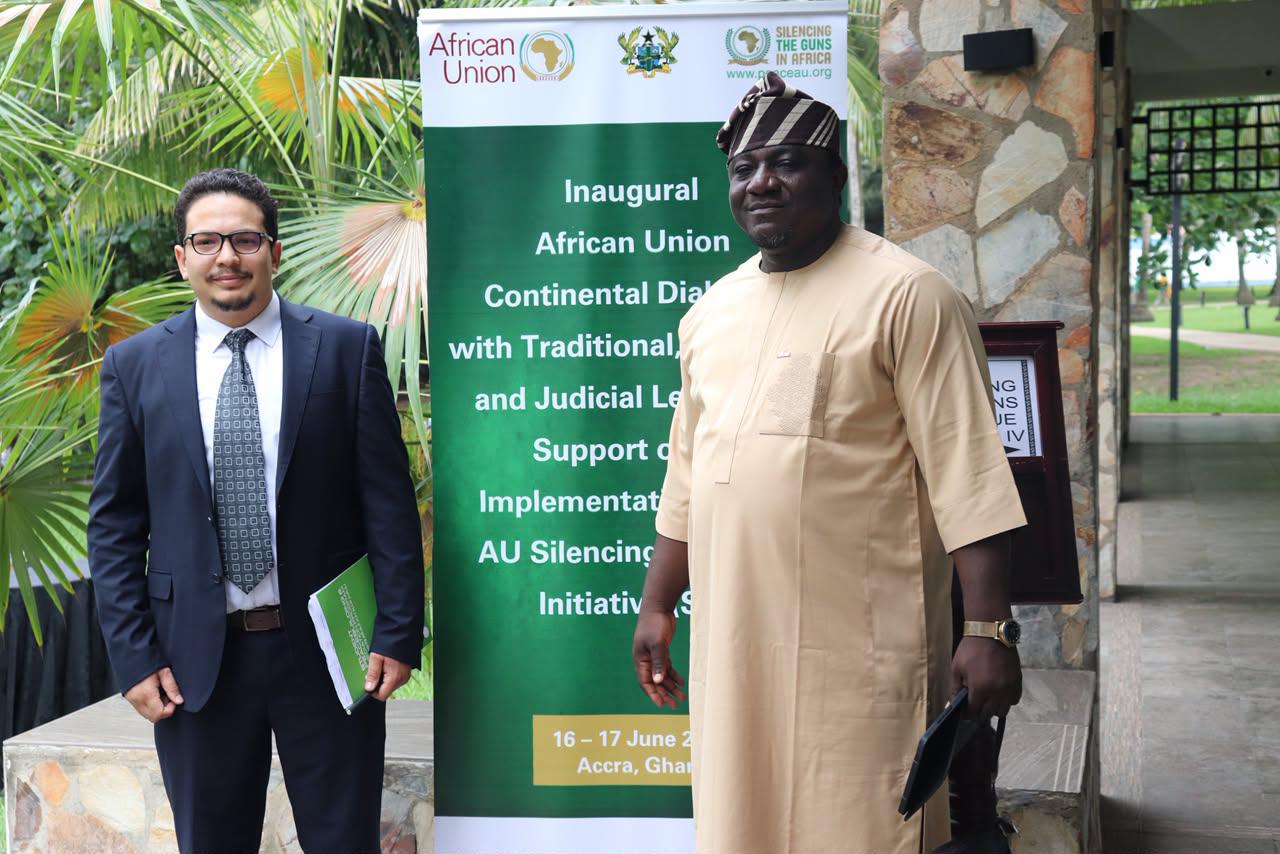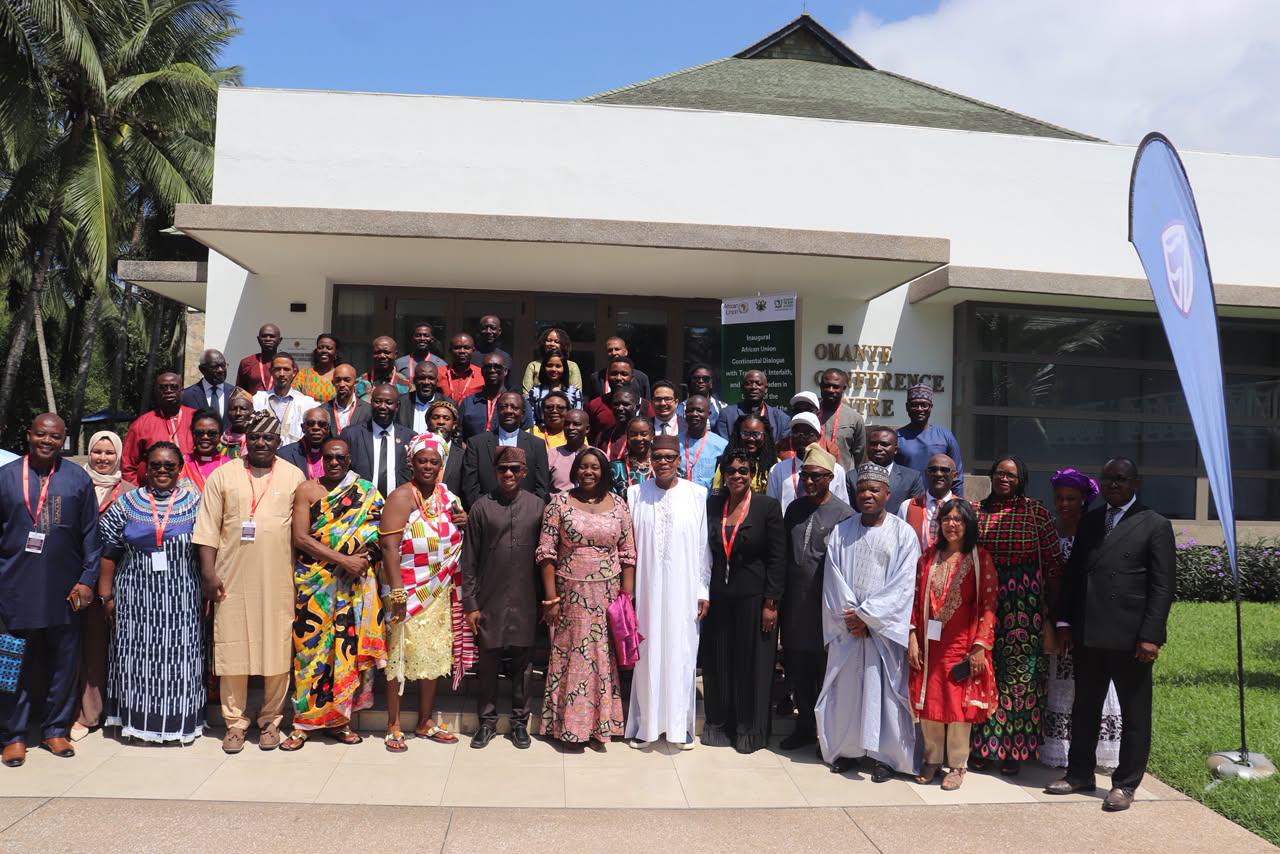


Attalaki was pleased to take part in the Inaugural African Union Continental Dialogue with Traditional, Interfaith, and Judicial Leaders in Support of the Implementation of the Silencing the Guns (StG) Initiative, held in Accra, Ghana. The organization’s participation reflects its sustained commitment to regional and continental approaches aimed at strengthening peace, justice, and social cohesion across Africa.
The Dialogue, convened by the African Union Commission through its Department of Political Affairs, Peace and Security, in collaboration with the Government of Ghana, was held within the framework of Agenda 2063 and the African Union Master Roadmap on Silencing the Guns by 2030. It brought together traditional authorities, religious leaders, judicial actors, policymakers, AU officials, and representatives of women and youth from across the continent to strengthen cooperation between formal and informal institutions in advancing inclusive, community-driven peacebuilding.
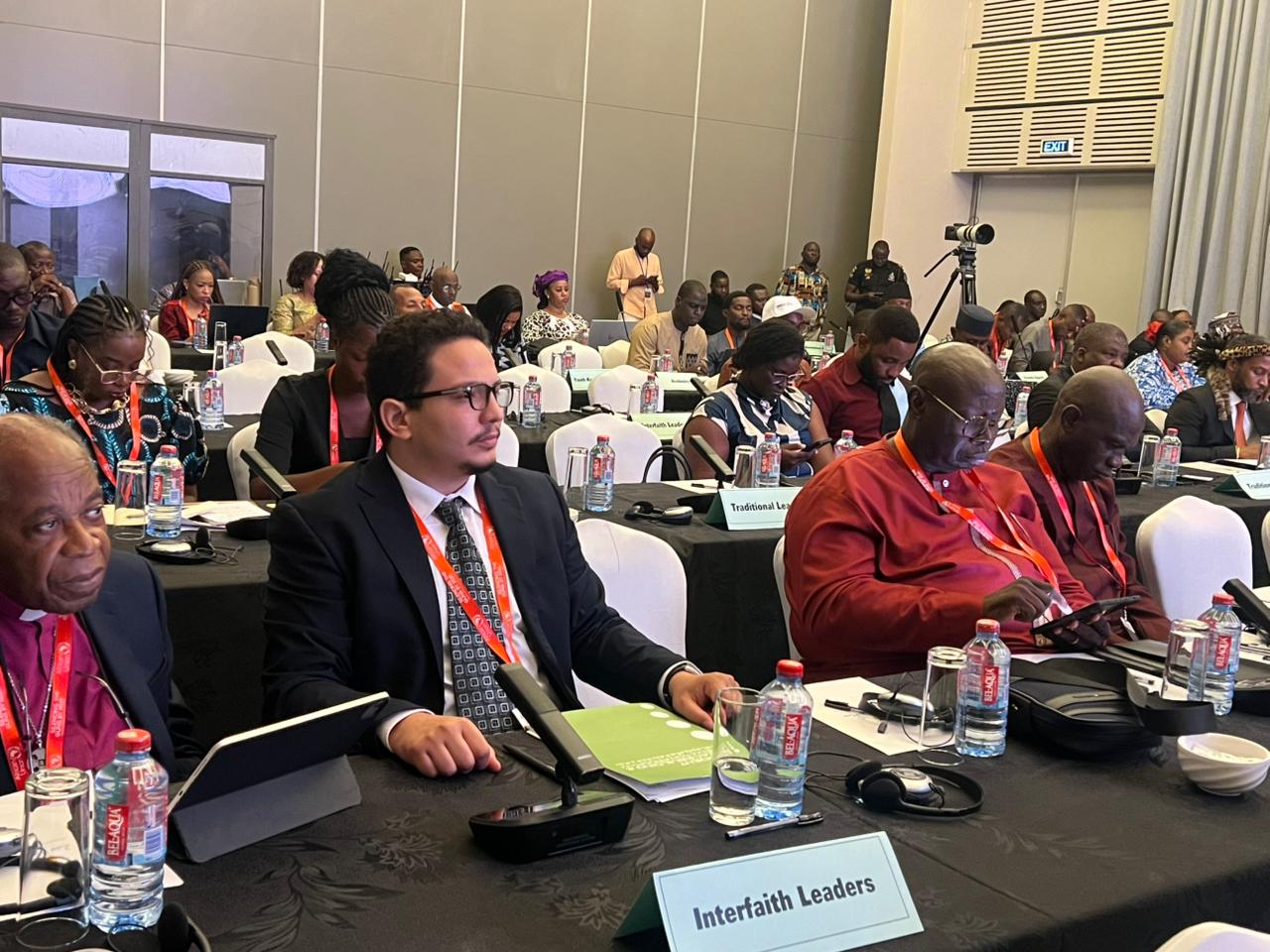
Attalaki was represented by its Board Member, Mr. Mohamed Salah Dridi, who participated as an expert in one of the high-level sessions of the Dialogue.
High-Level Panel on Traditional, Interfaith, and Judicial Perspectives
Mr. Dridi contributed to the 4th session of the Dialogue, a high-level panel titled “Traditional, Inter-faith and Judicial Perspectives to Silencing the Guns in Africa.” The session provided a platform for traditional leaders, interfaith actors, and judicial stakeholders to exchange views on their respective roles in conflict prevention, reconciliation, and the strengthening of social cohesion.
The panel was moderated by Ambassador Calixte Mbari, Head of Democracy, Elections, and Constitutionalism at the African Union Commission, and included contributions from Ali Tweh Karyee, Chief Imam within the National Imam Council of Liberia and Reverend Idowu Akintola, Head of the New Estate Baptist Church of Nigeria, alongside Mr. Dridi.
Discussions highlighted the essential role of traditional authorities in community proximity and trust-building, religious leaders in providing ethical grounding and moral guidance, and judicial institutions in ensuring accountability, access to justice, and the rule of law. Participants stressed that these actors are most effective when their efforts are coordinated rather than implemented in isolation.
A key outcome of the discussion was the shared recognition of the need to strengthen structured collaboration mechanisms between these actors and to ensure meaningful participation of women and youth in peacebuilding processes, in line with African Union frameworks on Women, Peace and Security and Youth, Peace and Security.
Attalaki’s Perspective
In his intervention, Mr. Dridi highlighted Attalaki’s long-standing engagement in promoting citizenship, freedom of religion or belief, mediation, dialogue, and social cohesion across Tunisia and the MENA region. He emphasized that sustainable peace is built not only through institutional frameworks, but through the continuous strengthening of trust, communication, and shared responsibility within society.
He noted that conflict is often driven less by a single cause than by the breakdown of trust between communities, institutions, and generations, compounded by feelings of exclusion. From this perspective, traditional leaders, religious actors, judicial institutions, and civil society organizations each hold distinct forms of legitimacy and trust, and their greatest impact emerges when their efforts are coordinated.
Mr. Dridi underlined that dialogue is not a complementary tool but a strategic pillar for prevention that must be institutionalized. He presented Attalaki’s work as an example of this approach, particularly through university-based mediation and peacebuilding clubs, training programmes on dialogue and mediation, and the development of practical tools such as the Mediation Skills Handbook: Tools for Conflict Resolution. These initiatives aim to equip young people and community actors with the skills and mindset needed to manage differences constructively.
He also highlighted Attalaki’s regional engagement in Tunisia, Lebanon, Morocco, and the West Bank, supporting grassroots organizations working with religious minorities, refugees, and marginalized communities. Across all contexts, the organization focuses on strengthening capacities, building trust, and creating bridges between actors at the local level, where social cohesion is ultimately built or weakened.
Finally, he called for stronger structured cooperation between traditional, interfaith, judicial, and civil society actors beyond ad hoc engagement, emphasizing the need for sustained platforms for coordination and prevention, as well as expanded investment in youth peacebuilding pathways and mediation training.
Conclusion
The Dialogue reaffirmed that the Silencing the Guns agenda is not only a security priority, but also a governance, development, and social cohesion framework grounded in inclusion, justice, and trust. It highlighted that sustainable peace in Africa depends on strengthening collaboration between formal institutions and community-based actors, and on building durable mechanisms for dialogue and prevention.
Attalaki remains committed to contributing to these continental efforts and to supporting initiatives that promote inclusive dialogue, mediation, and peaceful coexistence across diverse societies in Africa and beyond