


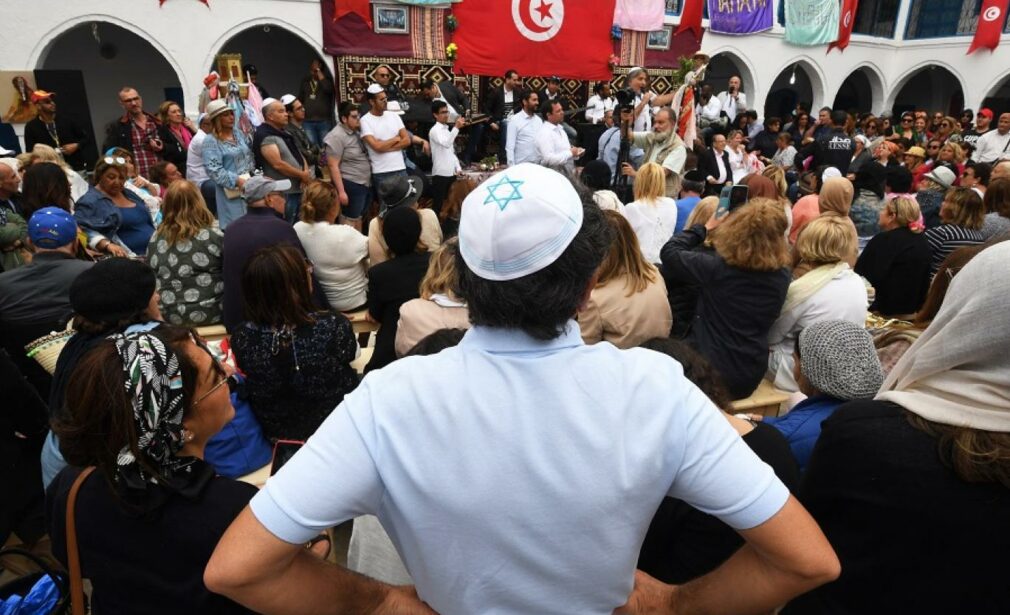
Religious Freedom and Religious Minorities
Attalaki works to promote religious freedom and the equal participation of people of different religious and non-religious backgrounds in Tunisian society. We recognize that religious minorities may face particular challenges, including social exclusion, discrimination, stereotypes, and barriers to participating fully in public and community life. Addressing these challenges requires a better understanding of the realities experienced by different communities and sustained dialogue among religious communities, civil society and public institutions.
Our work focuses on strengthening knowledge, dialogue and practical mechanisms for addressing challenges related to religious freedom. Through research, training, community activities, advocacy and engagement with relevant stakeholders, Attalaki contributes to a better understanding of religious diversity in Tunisia and supports approaches that strengthen mutual respect, social cohesion and peaceful coexistence.
Attalaki also works to ensure that the experiences and perspectives of religious minorities are reflected in discussions concerning public policy and social cohesion. We engage with representatives of different religious communities, young people, legal professionals, researchers, public institutions and other relevant actors to identify challenges and explore constructive responses.
Since its establishment, Attalaki has developed initiatives addressing religious freedom, religious diversity and the protection of religious heritage, while creating spaces for members of different communities to exchange experiences and contribute to a shared understanding of Tunisia’s plural social and cultural heritage.
Through this work, Attalaki seeks to contribute to a Tunisia where religious and non-religious individuals can participate fully in society, practice or express their beliefs freely, and engage with others on the basis of mutual respect and equal citizenship.