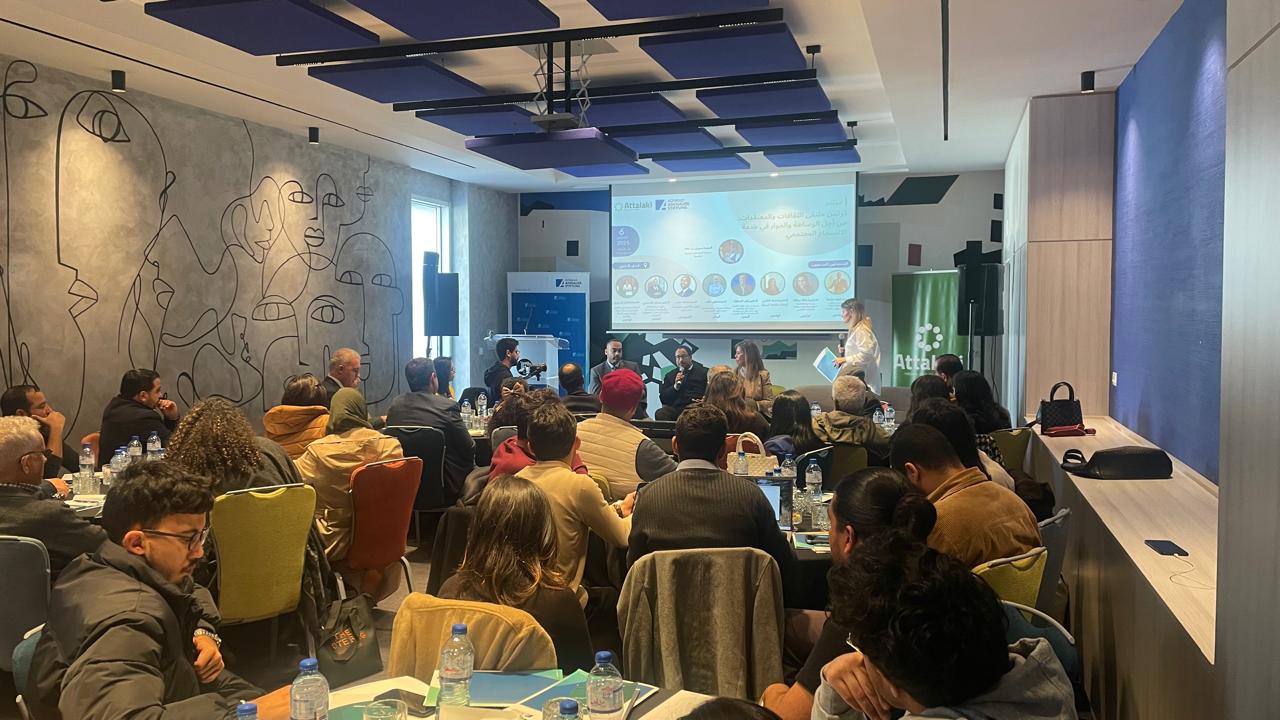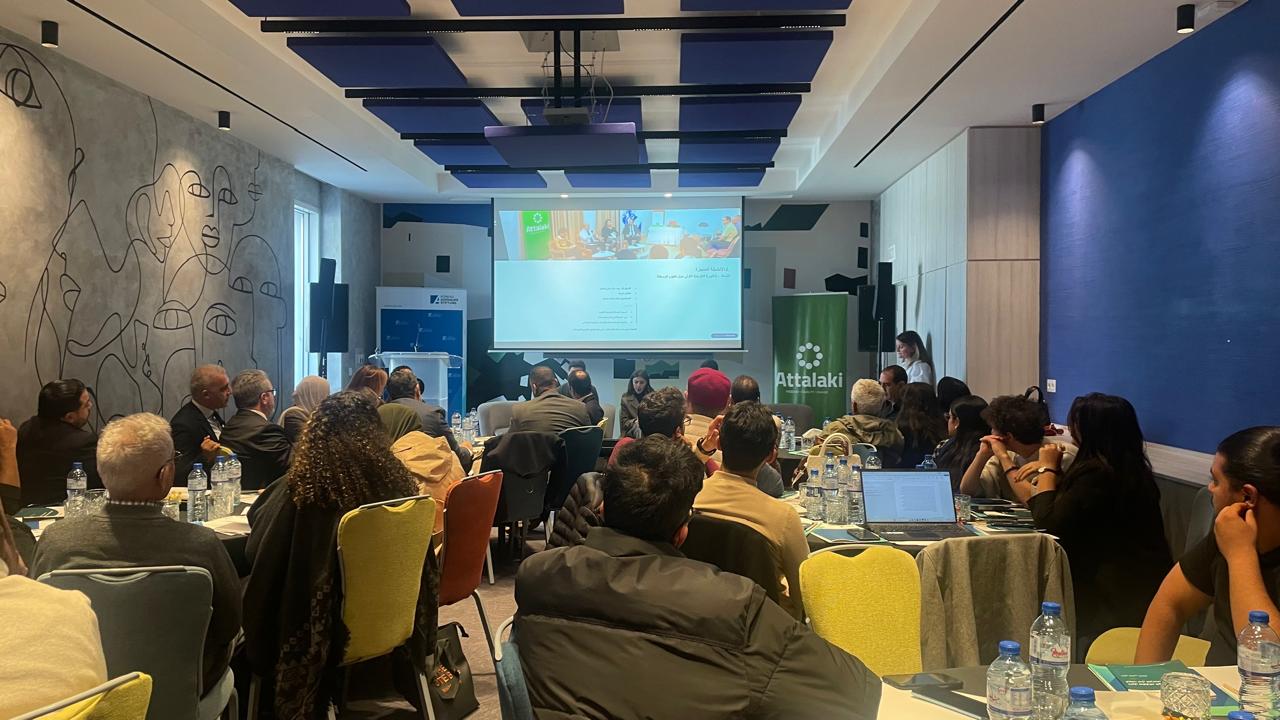


From 5 to 6 December 2025, the organization Attalaki, in close collaboration with the Konrad Adenauer Foundation (KAS) and the project “For a Tunisia Without Discrimination”—implemented with Minority Rights Group (MRG) and supported by the European Union—organized the program “Tunisia as a Crossroads of Cultures and Beliefs: Mediation and Dialogue for Social Harmony” in Tunis.
The two-day program combined cultural immersion, expert dialogue, and youth engagement, bringing together national and regional stakeholders to examine the role of mediation, interreligious dialogue, and freedom of religion or belief in fostering inclusive, resilient, and peaceful societies across the MENA region.
Cultural and Religious Immersion as a Methodological Foundation
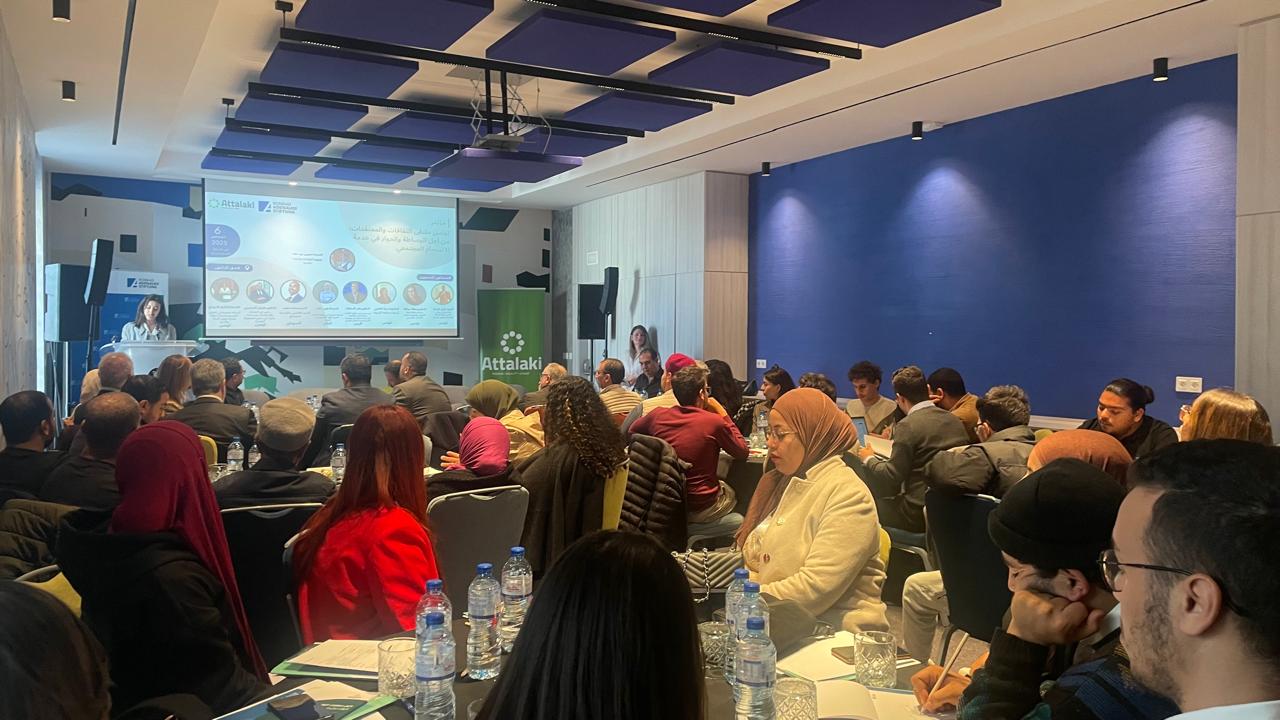
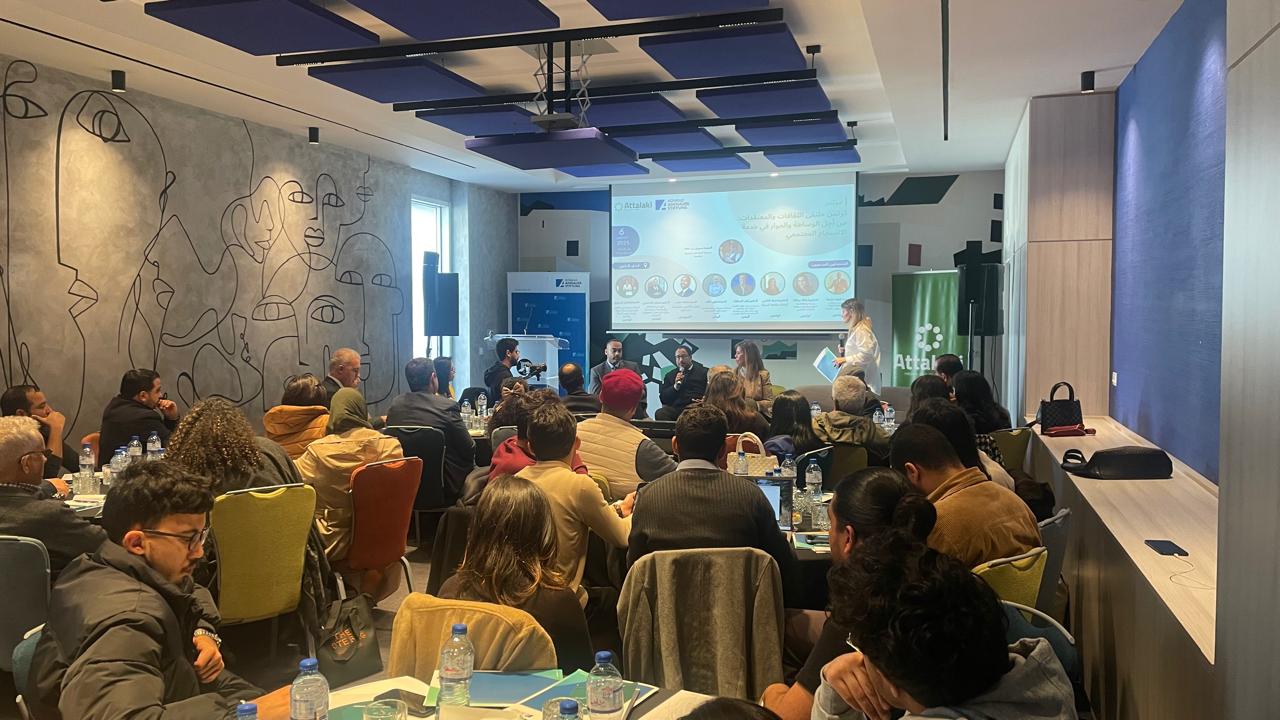
The program brought together over 60 participants, including religious leaders, social science researchers, civil society actors, advisors affiliated with the Ministry of Education, and a strong representation of law students from the University of Jendouba.
The first component of the program was dedicated to a cultural and religious immersion, conceived as a methodological entry point to the conference discussions. This immersive experience was conducted under the guidance and patronage of Mr. Hatem Bourial, a distinguished Tunisian writer, journalist, and cultural mediator.
A group of 15 participants, comprising national and regional experts as well as representatives of the Mediation Club of the Faculty of Law, Economics and Management of Jendouba, visited key sites of religious heritage across Tunis, La Goulette, and Sidi Bou Saïd. These visits included mosques, Catholic churches, Greek Orthodox churches, and synagogues, reflecting the historical presence and coexistence of Muslim, Catholic, Orthodox, and Jewish communities in Tunisia.
Each site was presented by its respective religious representative—imam, rabbi, priest, or local religious leader—who provided insights into the history of the community, religious practices, and ongoing initiatives promoting interfaith dialogue and coexistence. This approach enabled participants to engage directly with lived experiences of religious diversity and to situate theoretical discussions within concrete social and cultural contexts.
Beyond its educational dimension, the immersion served as a relationship-building platform, fostering trust, informal exchange, and mutual understanding among participants. It established a shared reference framework that meaningfully informed and enriched the conference deliberations that followed.
Conference Proceedings: Mediation and Freedom of Religion or Belief
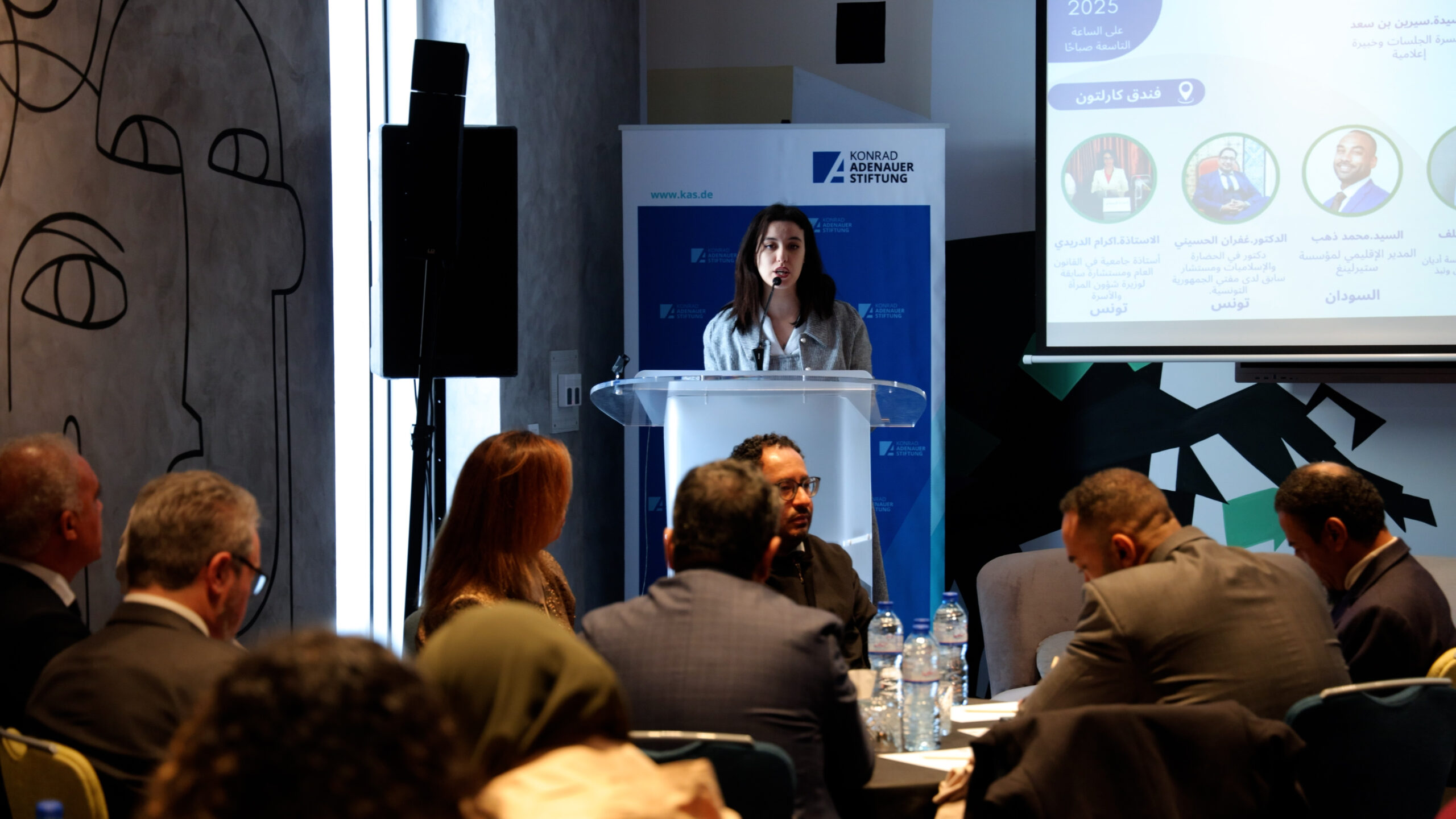
The second day of the program was dedicated to a conference format, structured around interactive presentations and thematic expert panels.
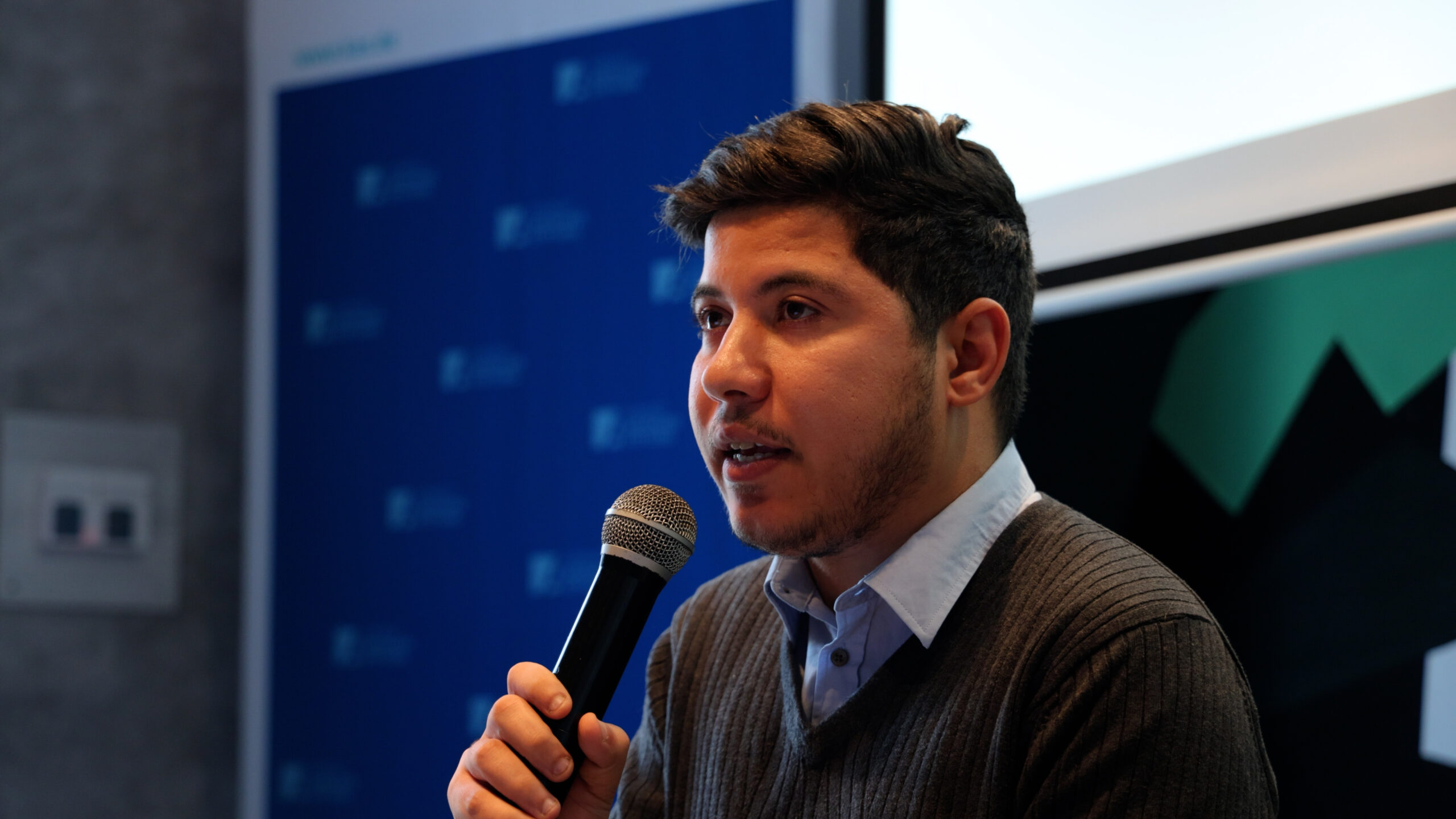
The conference opened with a presentation by members of the University of Jendouba Mediation Club, marking the official launch of the “Mediation Skills Handbook: Tools for Conflict Resolution.” The handbook represents the outcome of six months of collaborative work conducted by student members, with methodological and institutional support from Attalaki.
A total of 100 printed copies, in Arabic and English, were distributed to participants. The production and dissemination of the handbook were supported by KAICIID and the “For a Tunisia Without Discrimination” project, funded by the European Union. Designed as a practical and accessible tool, the handbook responds to the growing need for mediation skills within academic, social, and community settings, and highlights the active role of youth in promoting a culture of peaceful conflict resolution.
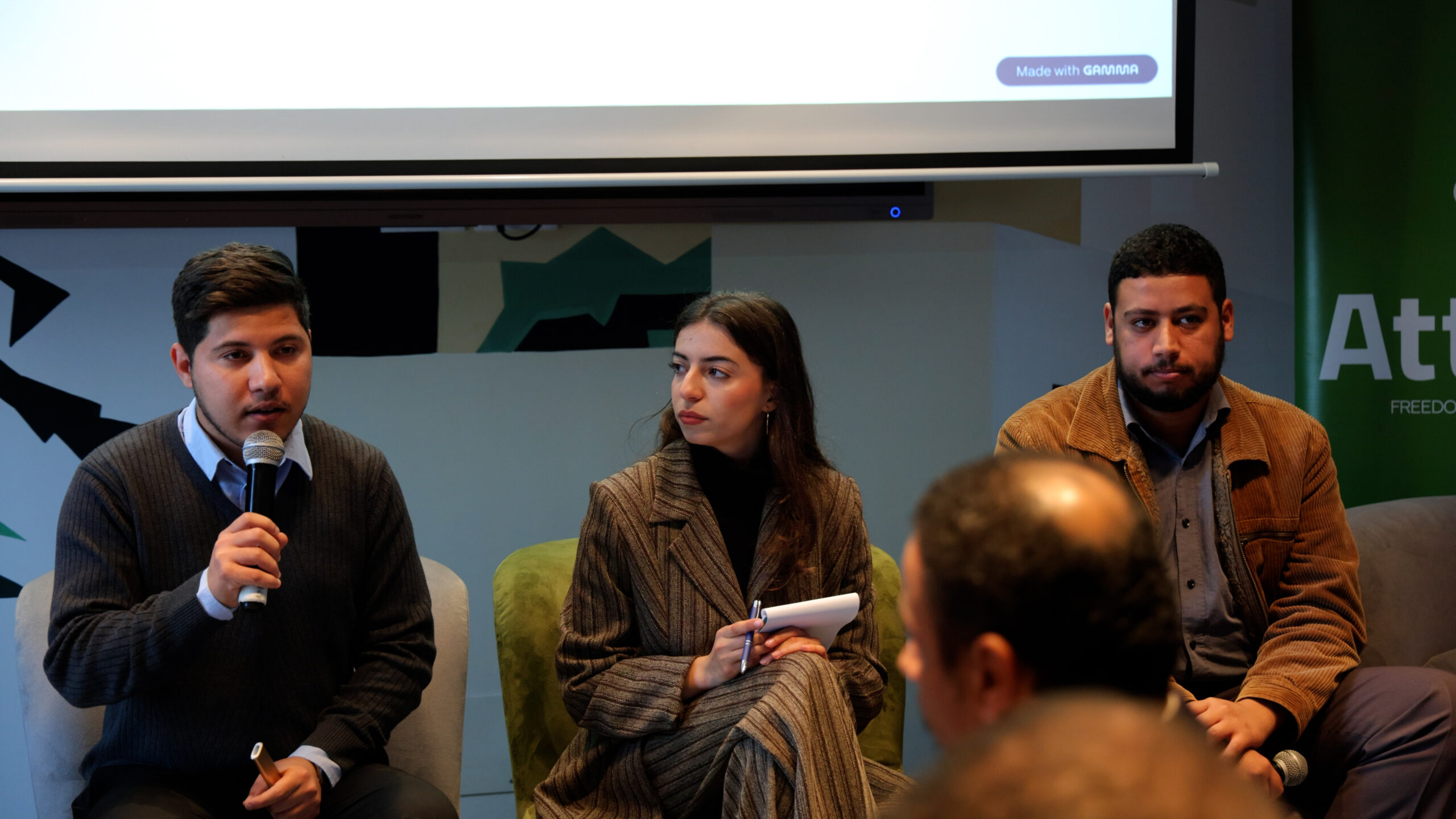
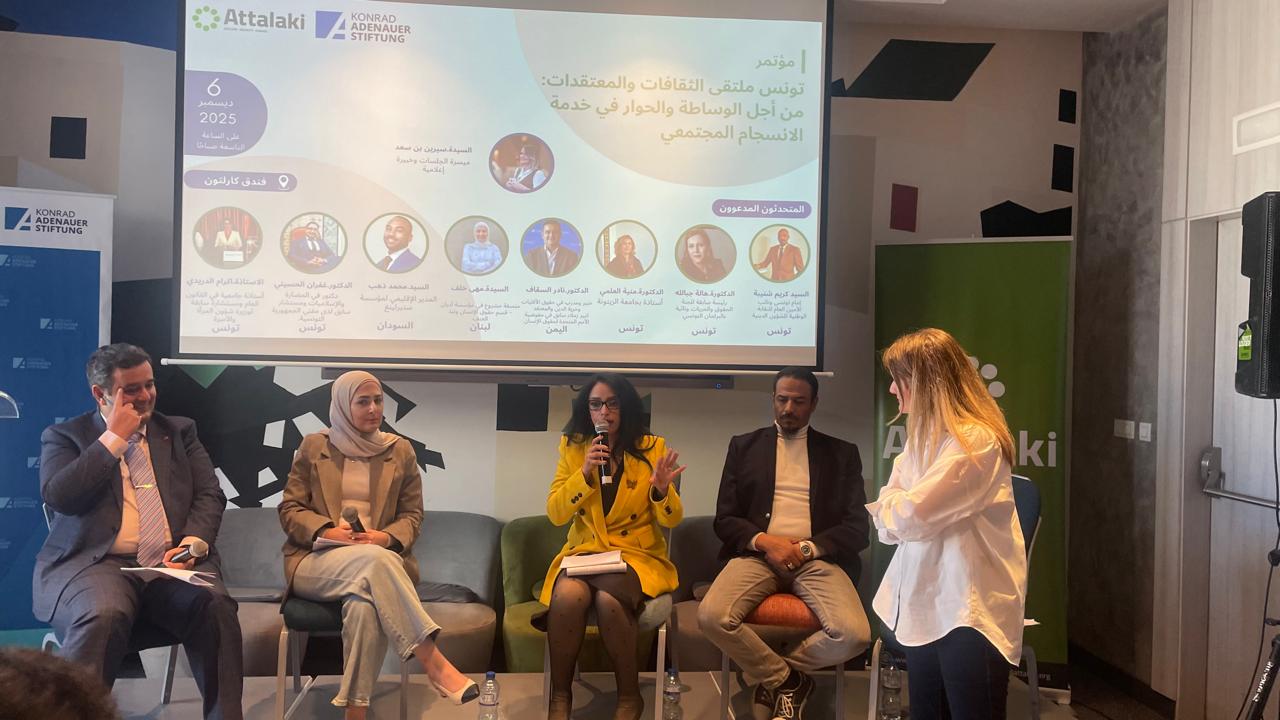
Panel I – Building Peace through Mediation
Panelists:
Dr. Monia Almi, Professor, University Zitouna
Dr. Ghofrane Hseini, Doctor in Islamic Civilization and Studies, former Advisor to the Mufti of the Republic of Tunisia
Mr. Mohamed Dahab, Regional Director, Stirling Foundation
The first panel examined mediation as a strategic and operational framework for preventing conflict, strengthening social cohesion, and fostering constructive dialogue among diverse societal actors. Panelists emphasized mediation’s capacity to adapt to varying cultural, religious, and historical contexts while remaining anchored in principles of neutrality, justice, dignity, and non-discrimination.
Discussions highlighted the importance of embedding mediation mechanisms within local governance structures and community frameworks, as well as the central role of youth engagement in sustaining mediation processes over the long term. Drawing on regional experiences, the panel demonstrated that mediation extends beyond dispute resolution to function as a broader tool for social transformation and inclusive citizenship.
Panel II – Freedom of Religion or Belief as a Foundation for Dialogue and Cross-Cultural Understanding
Panelists:
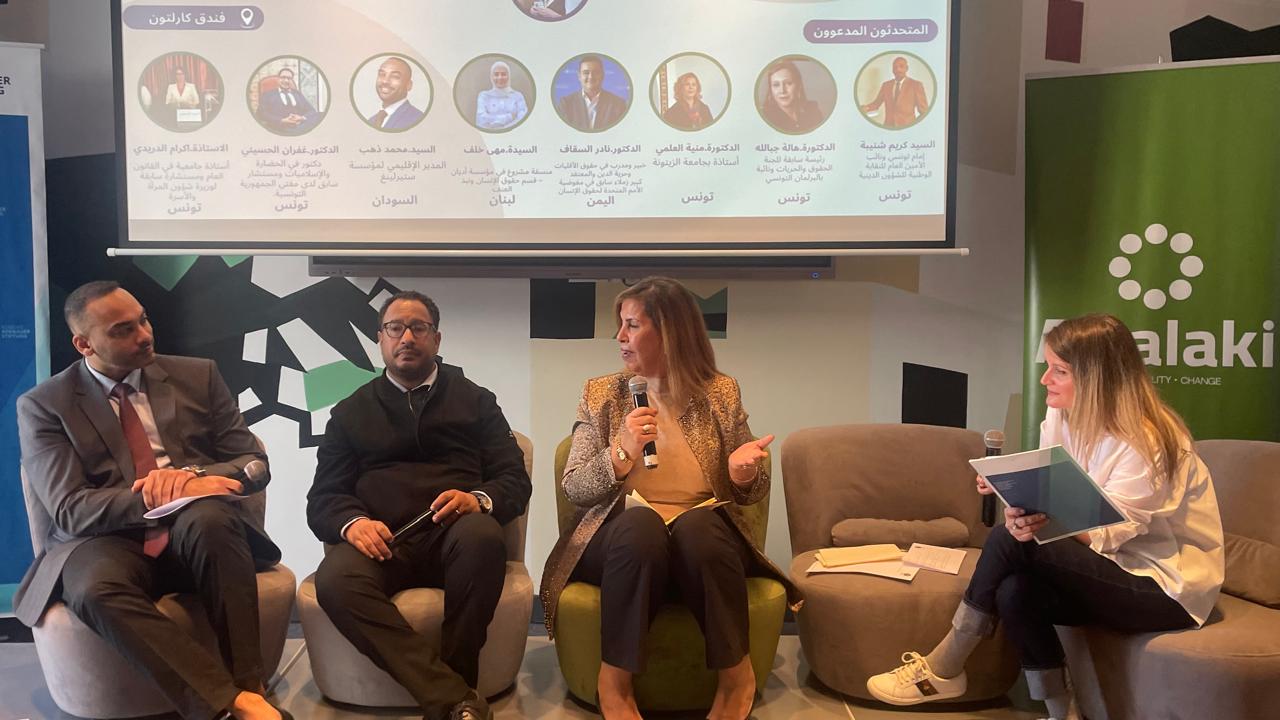
Prof. Ikram Dridi, Professor of Public Law and former Advisor to the Minister of Women’s and Family Affairs
Dr. Nader Al Sakkaf, Expert and Trainer on Minority Rights and Freedom of Religion or Belief, former OHCHR Senior fellow
Ms. Maha Al Khalaf, Project Coordinator, Adyan Foundation
Mr. Karim Chniba, Imam and Deputy Secretary-General, TunisianNational Union of Religious Affairs
The second panel focused on freedom of religion or belief (FoRB) as a foundational pillar for pluralism, tolerance, and peaceful coexistence in the MENA region. Panelists explored the interaction between legal frameworks, cultural traditions, and social practices, with comparative perspectives from Tunisia, Lebanon, and Yemen.
While acknowledging the existence of constitutional and legal guarantees, discussions underscored the importance of translating these norms into everyday social realities through education, awareness-raising, and inclusive public policies. Dialogue-based initiatives were identified as essential tools for addressing prejudice, reducing polarization, and fostering mutual recognition among communities.
The panel concluded that freedom of religion or belief must be understood not only as a legal right, but also as a social and ethical principle that reinforces human dignity, social cohesion, and sustainable peace.
Conclusion and Perspectives
The conference and its accompanying cultural and heritage activities reinforced the central role of mediation and freedom of religion or belief as strategic levers for promoting coexistence, tolerance, and non-discrimination. The program highlighted the complementary contributions of youth, experts, religious actors, and civil society in building inclusive and resilient societies capable of addressing conflict through peaceful and constructive means.
By combining experiential learning, expert dialogue, and participatory approaches, the initiative demonstrated the value of Tunisia’s religious heritage as both a historical asset and a contemporary tool for mediation and dialogue. The exchanges and partnerships initiated during the event lay the groundwork for sustained cooperation, with the objective of institutionalizing mediation and interreligious dialogue as core components of social cohesion, living together, and inclusive citizenship at both national and regional levels.